

Struggling with GCSE science calculations? Learn the EVERY method — a simple 5-step framework that works for every equation in biology, chemistry and physics.
If your child freezes when they see a calculation question in their GCSE science exam, they're not alone.
Calculations are one of the biggest mark-losers in GCSE Science. Students know the theory, they've revised the content — but when it comes to actually using an equation, they panic.
The problem isn't intelligence. It's method.
The EVERY Method
After years of teaching GCSE Science, I developed a simple 5-step framework that works for every single calculation question — whether it's magnification in biology, moles in chemistry, or kinetic energy in physics.
E — Equation. Write out the equation. Every time. Even if you think you know it.
V — Values. List every value from the question with its unit. This is where most students skip ahead and make mistakes.
E — Enter. Substitute your values into the equation. Don't calculate yet — just put the numbers where they belong.
R — Rearrange. If you need to find something other than the subject of the equation, rearrange it now. If not needed, write "Not needed" — this still gets you method marks.
Y — Your units. State your answer with the correct units. This is the step students forget, and it costs them marks every single time.
Why Progressive Practice Matters
Exam questions aren't all the same difficulty. A foundation-tier magnification question might give you all the values in the right units. A higher-tier question might give you micrometres when the equation needs millimetres, or ask you to rearrange for a different variable.
That's why our practice workbooks use a progressive structure:
- Questions 1–3: Simple, straightforward calculations
- Questions 4–6: Require unit conversions (mm to µm, g to kg, kJ to J)
- Questions 7–12: Require rearranging the equation
This mirrors exactly how exam papers escalate difficulty. By the time your child reaches Question 12, they've built the confidence and technique to handle anything the exam throws at them.
What's Available
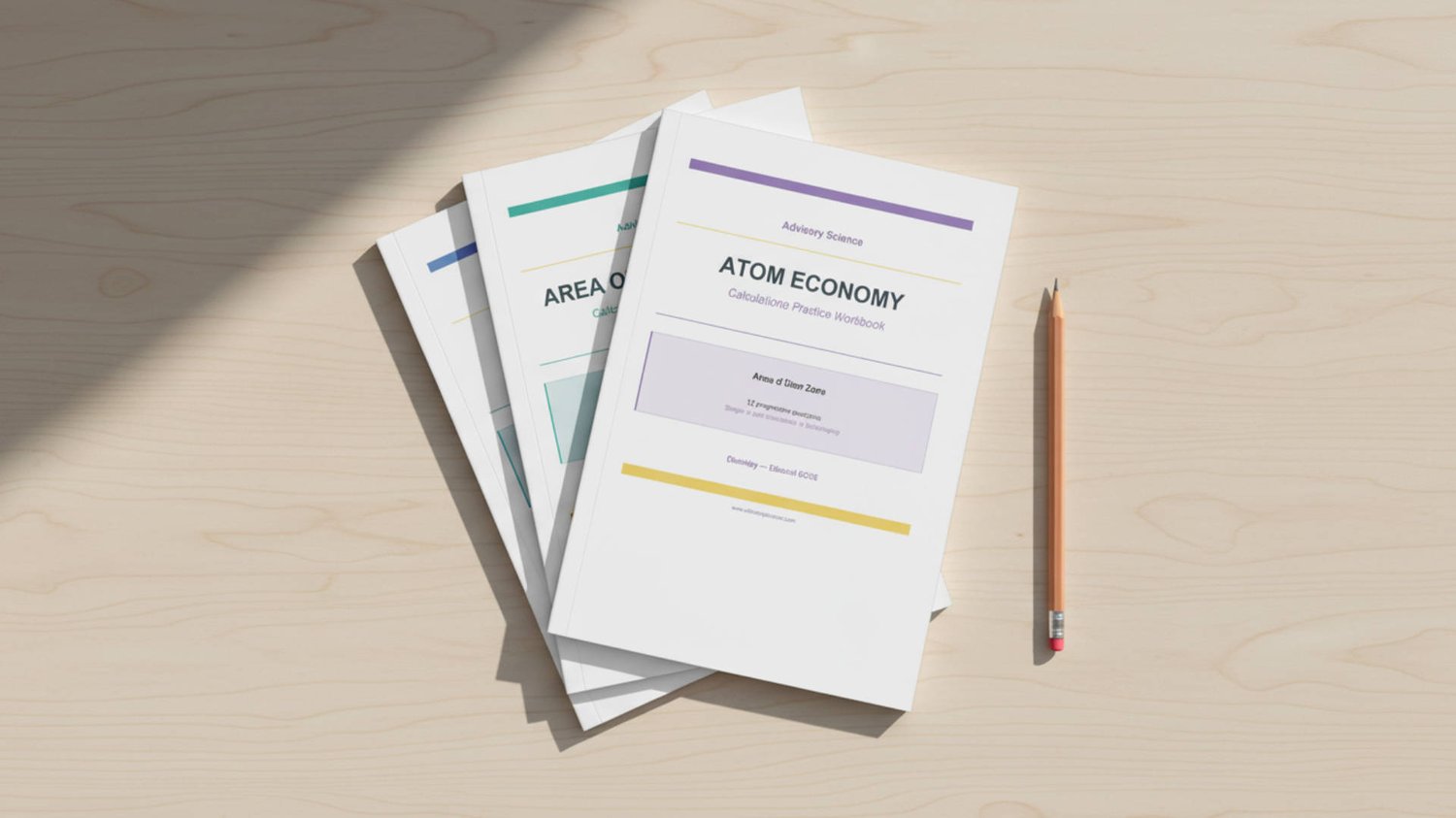
We've created calculation practice workbooks for every equation in the Edexcel GCSE specification:
- Biology — 16 topics from Magnification to Simpson's Diversity Index
- Chemistry — 14 topics from Relative Formula Mass to Titration
- Physics — 20 topics from Speed to Transformers
Each workbook includes 12 questions, full worked answers using the EVERY method, and a self-assessment tracker so students can identify exactly where they need more practice.
[Browse individual workbooks →]
[Save with subject bundles →]
[Get the complete 50-workbook mega-bundle →]
Quick Tips for Parents
- Don't let them skip the method. Writing E-V-E-R-Y for every question feels slow at first but becomes automatic — and it's what gets method marks in the exam.
- Start with the topics they find hardest. If your child dreads moles calculations, that's the workbook to start with.
- Use the self-assessment honestly. If they scored 8/12, the four they got wrong tell you exactly what to revise next.
- Little and often beats cramming. One workbook per week from now until the exam is far more effective than doing ten the night before.
Advisory Science creates revision resources aligned to the Edexcel GCSE specification. All resources are designed by experienced science teachers and use evidence-based pedagogical principles.