
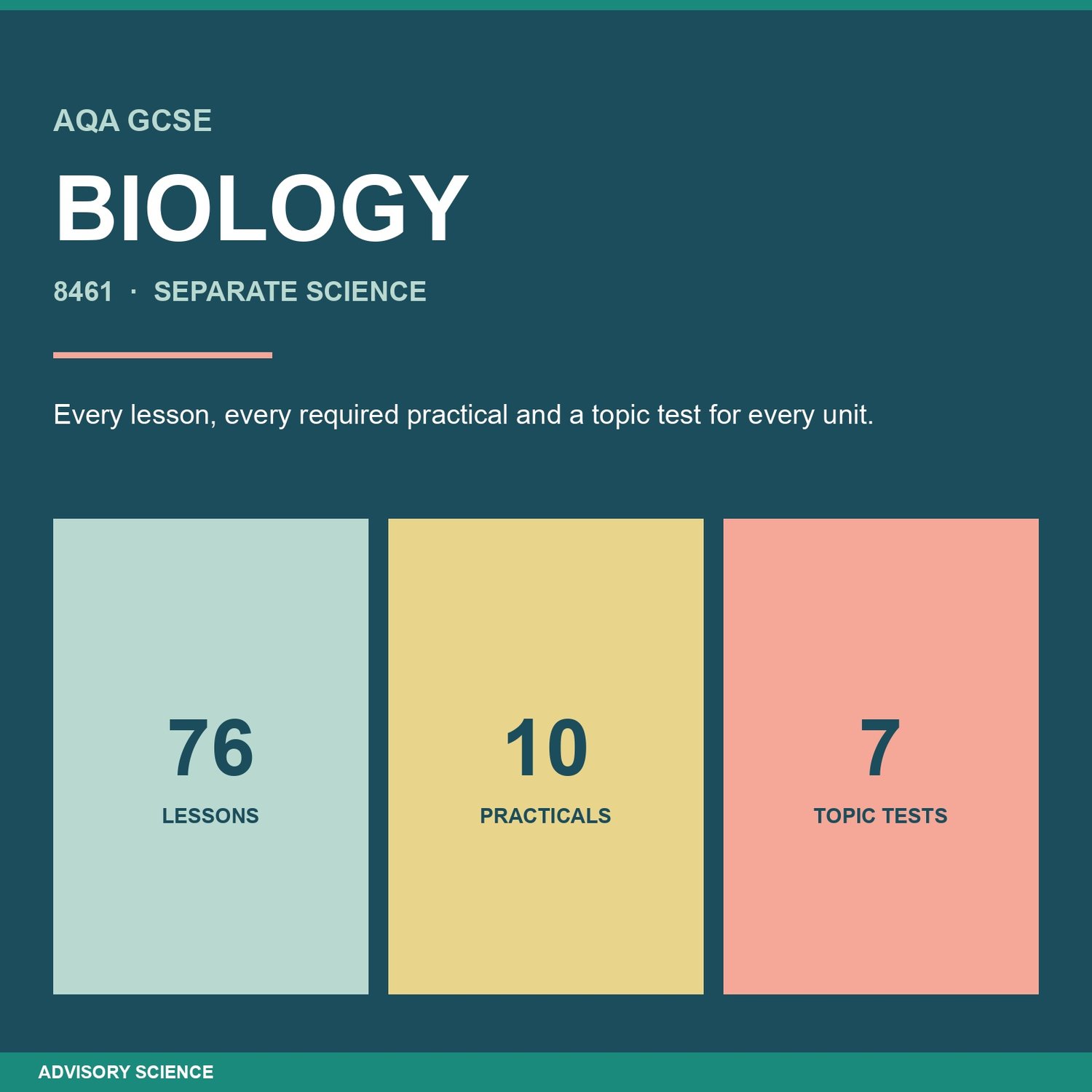



AQA GCSE Biology 8461 Complete Course | 86 Ready to Teach Lessons with Topic Tests
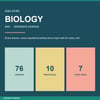
Everything a department needs to teach AQA GCSE Biology (8461), planned and ready to teach from the first lesson. Every lesson is ready to use, so your teachers get their planning time back and every class gets the same high-quality lesson.
What you get
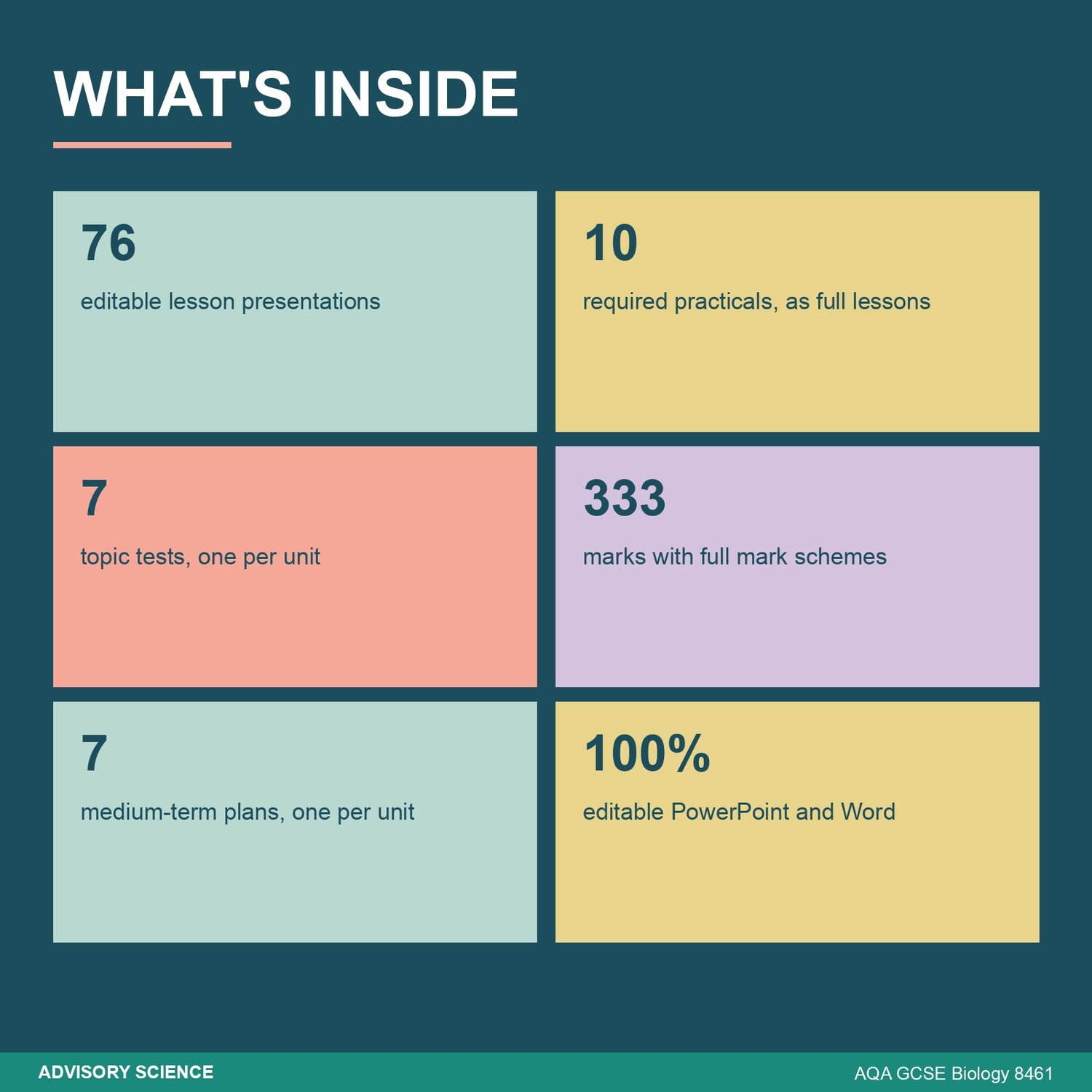
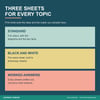
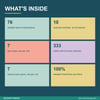
- 86 editable PowerPoint lessons, one hour each, in teaching order
- Including all 10 required practicals, each written as a full lesson with the method broken into illustrated steps
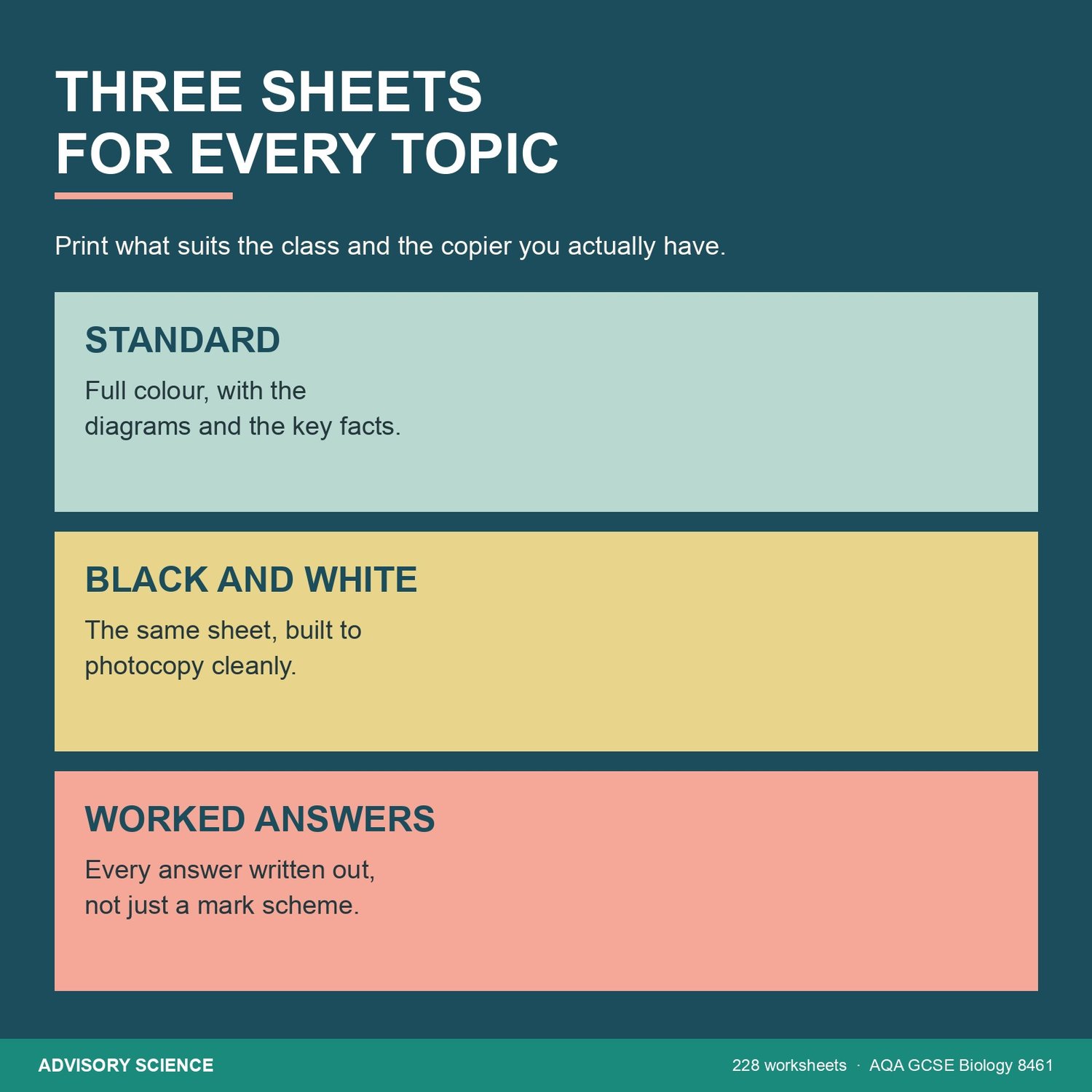
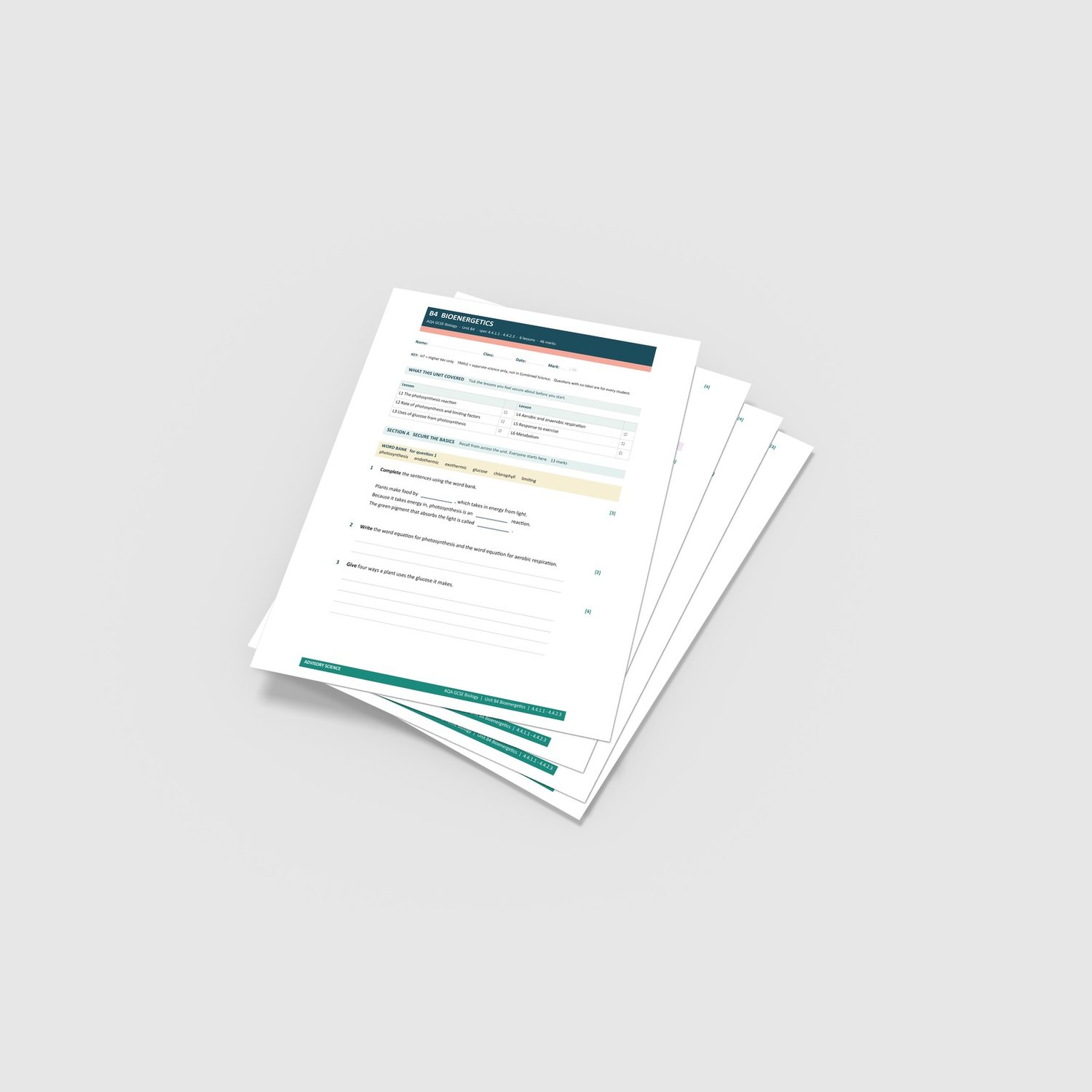
- 7 topic tests, one per topic, with a full mark scheme for every question. 333 marks in total.
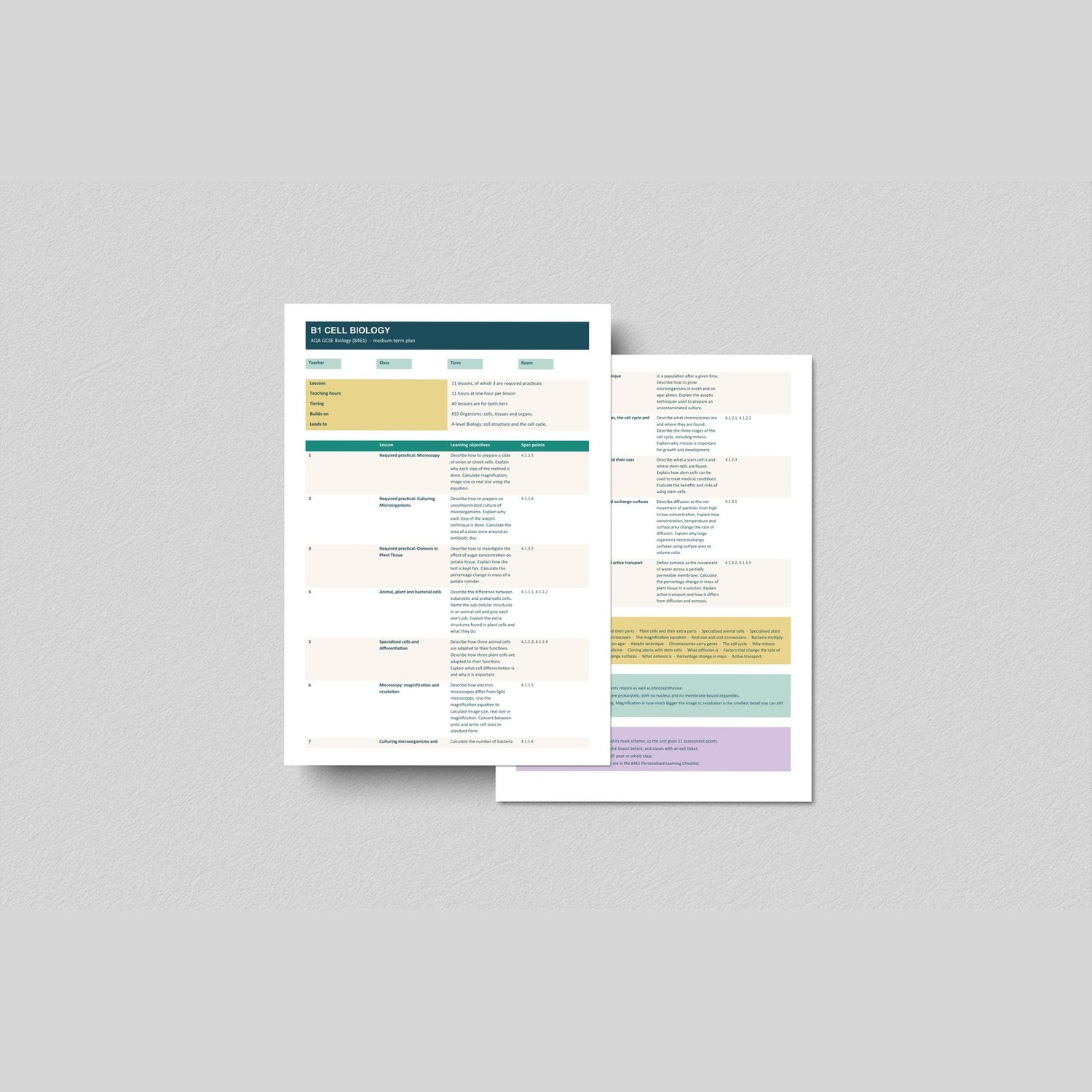
- 7 medium-term plans, one per unit, with the lesson sequence, key ideas, common misconceptions and assessment points
- A curriculum map listing all 86 lessons with their objectives, specification points and tier, filterable, with your own teaching hours and terms to fill in
- A teacher guide explaining how the course is built and where to start
- A Personalised Learning Checklist covering the whole specification for pupils to rate red, amber or green before mocks
The same clear structure in every lesson
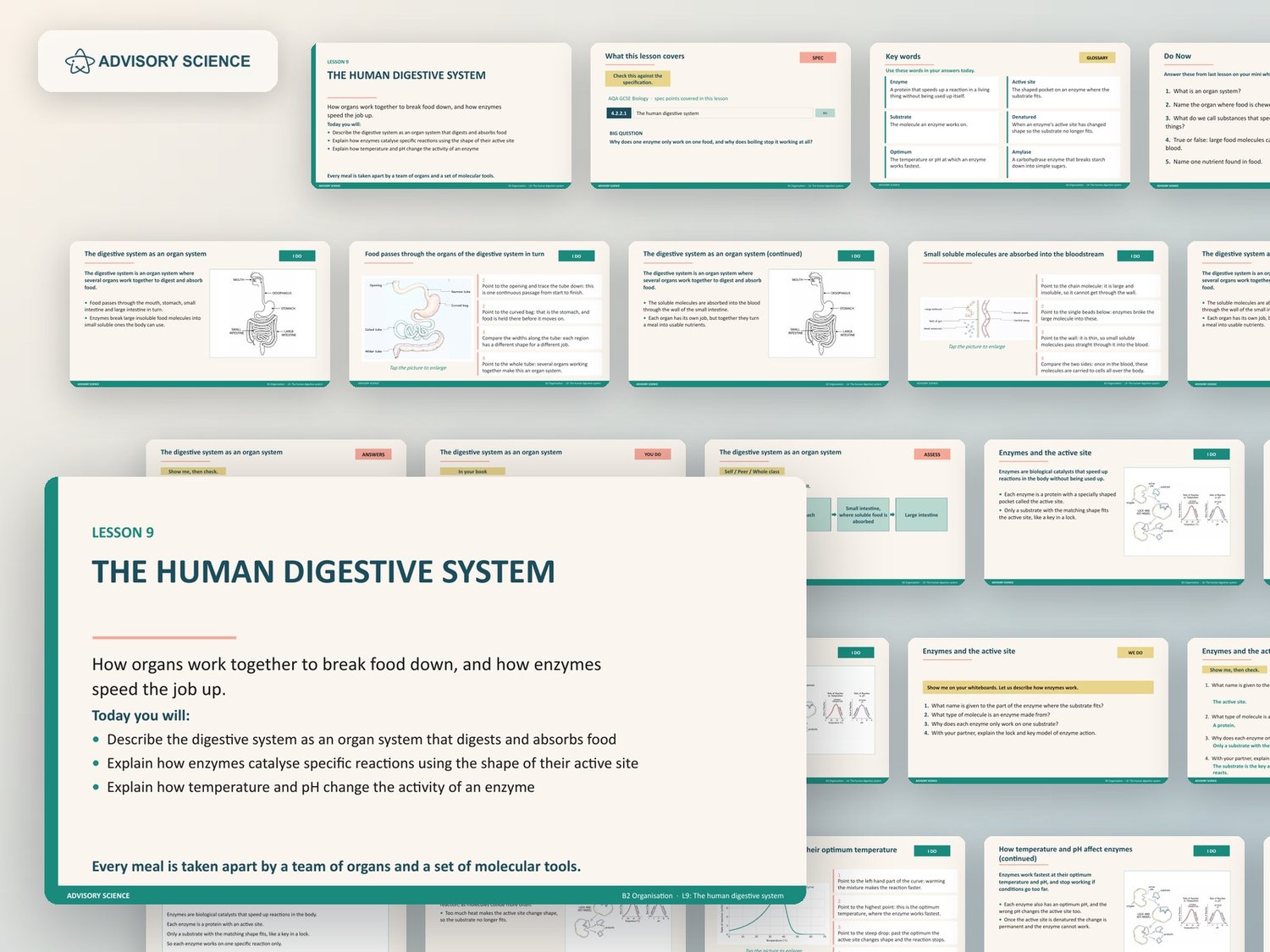
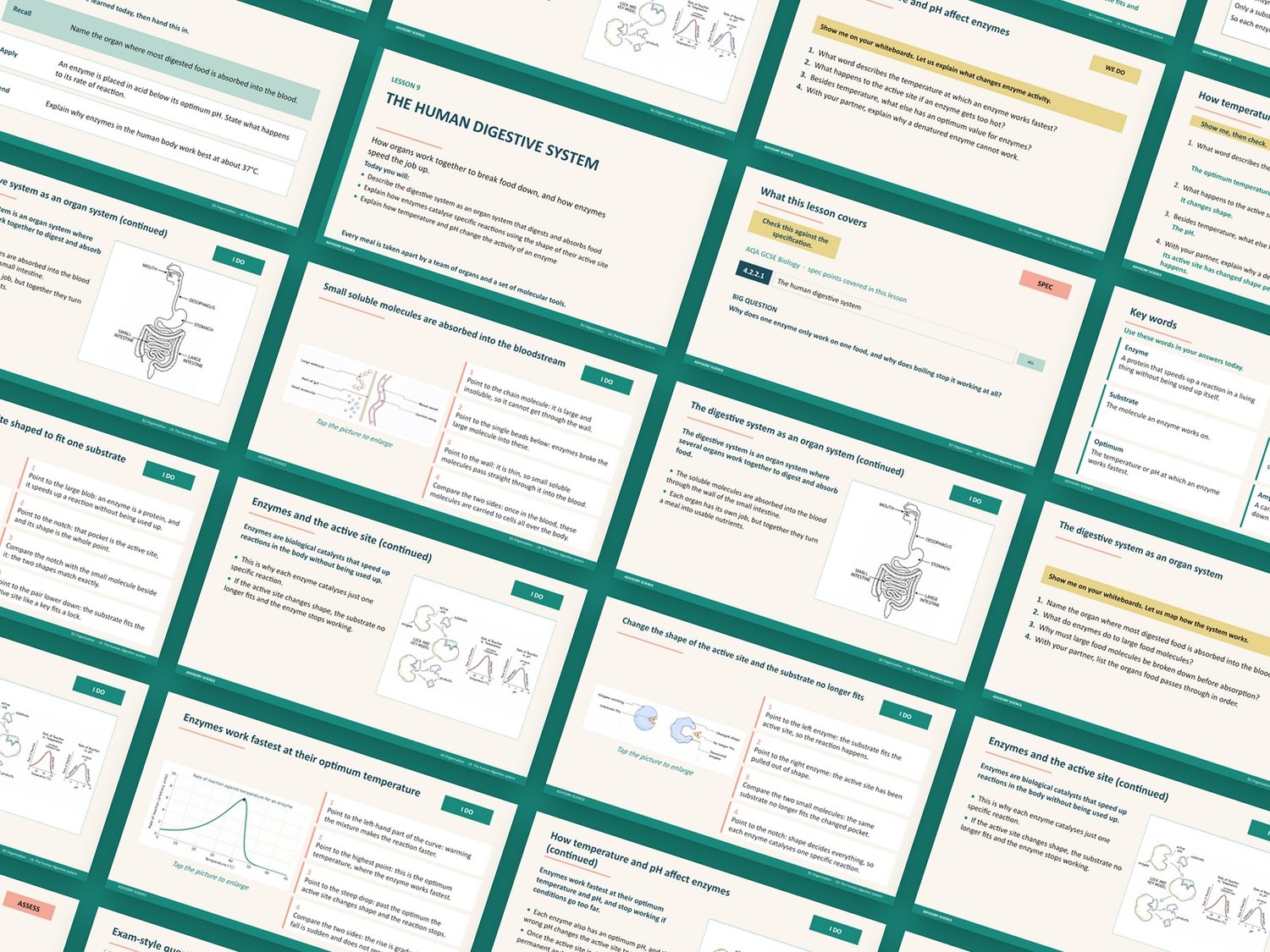
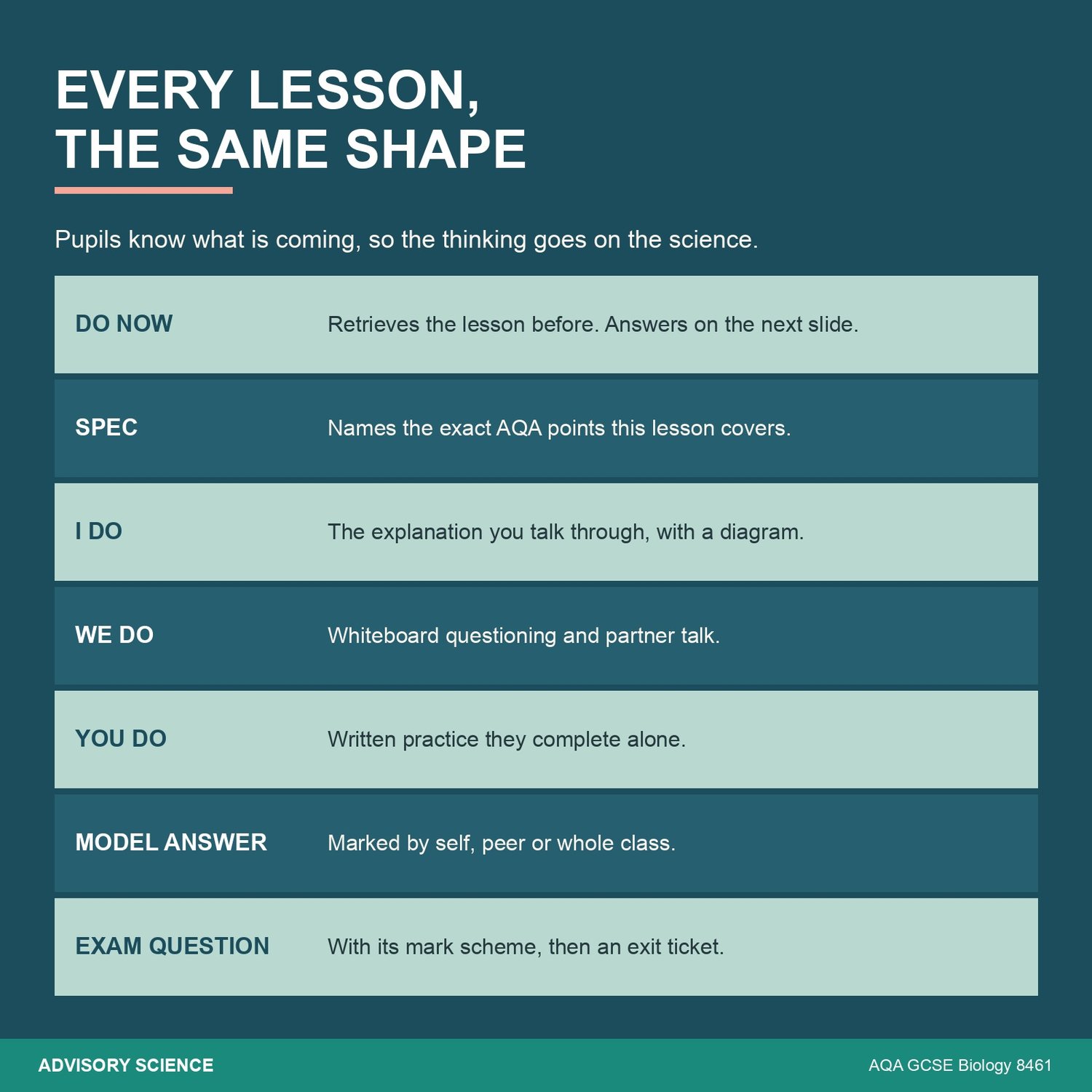
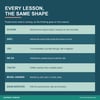
Every lesson follows the same order, so teachers and pupils always know what comes next. It opens with a Big Question and a Key words slide, then a Do Now that retrieves the lesson before. The teaching cycle runs I do, we do, you do for each idea: the explanation you talk through, whiteboard questioning and partner talk, then written practice pupils complete alone. A model answer follows every task. Every lesson ends with an AQA-style exam question, its mark scheme and an exit ticket.
Assessment for learning in every lesson
Mini whiteboard questions show you who has understood during the lesson. Pupils mark their own work and each other's against model answers. The exam question gives regular exam practice, and the exit ticket tells you where to start next lesson.
Clear, consistent slides
Every slide uses text of at least 20pt, so pupils can read it from the back of the room. Each idea has its own picture page, and a click in slide show opens the picture full screen.
Required practicals
Each practical covers the method, the variables, the results table, the graph work and the analysis. Pupils prepare and view a slide, culture microorganisms, run food tests, time reactions and sample a habitat with quadrats.
Easy to adapt and to share across a department
The curriculum map and the medium-term plans set out the teaching order, with each required practical straight after the lesson that teaches it. Every slide uses the 8461 specification codes, so teachers can check any lesson against the scheme of work in seconds. The lessons are PowerPoint files and the topic tests are Word files, so you can change the examples, the Do Now slides and the pace to suit your classes.
Who it is for
Heads of Biology building a two or three-year separate science route. Non-specialists teaching Biology outside their subject. Trainees and early career teachers. Tutors and home educators working through the specification with one pupil.
Download the free sample before you buy.
Written by Mrs Hayles, an award-winning science educator, former deputy headteacher and science curriculum author.
Please note
This course covers AQA GCSE Biology (8461). Combined Science: Trilogy (8464), Chemistry 8462 and Physics 8463 have their own courses.
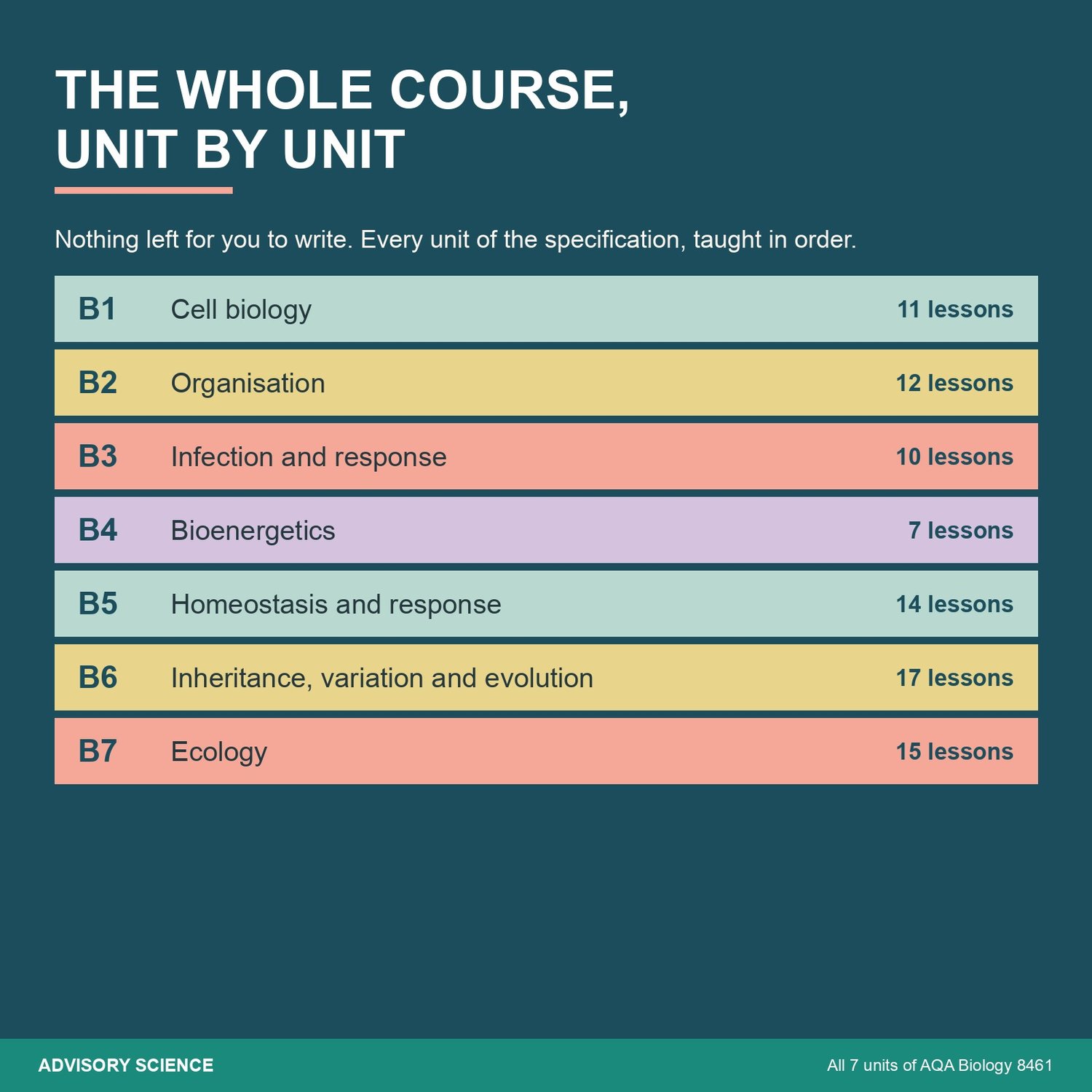
Every lesson in the course, in teaching order
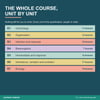
All 86 lessons are listed below so you can check the course against your own scheme of work before you buy.
B1 Cell biology
- Animal, plant and bacterial cells
- Specialised cells and differentiation
- Microscopy: magnification and resolution
- Required practical: Microscopy
- Culturing microorganisms and aseptic technique
- Required practical: Culturing Microorganisms
- Chromosomes, the cell cycle and mitosis
- Stem cells and their uses
- Diffusion and exchange surfaces
- Osmosis and active transport
- Required practical: Osmosis in Plant Tissue
B2 Organisation
- The human digestive system
- Required practical: Food Tests
- Required practical: Effect of pH on Enzymes
- The heart, lungs and blood vessels
- Blood and its components
- Coronary heart disease and treating the heart
- Health and disease
- Lifestyle and non-communicable disease
- Cancer
- Plant tissues and the leaf
- Transport in plants: transpiration and translocation
- Levels of organisation
B3 Infection and response
- Pathogens and communicable disease
- Viral diseases: measles, HIV and TMV
- Bacterial, fungal and protist diseases
- Defending the body: white blood cells and vaccination
- Antibiotics and painkillers
- Discovery and development of drugs
- Producing monoclonal antibodies
- Uses of monoclonal antibodies
- Detecting and identifying plant diseases
- Plant defence responses
B4 Bioenergetics
- The photosynthesis reaction
- Rate of photosynthesis and limiting factors
- Required practical: Light Intensity and Photosynthesis
- Uses of glucose from photosynthesis
- Aerobic and anaerobic respiration
- Response to exercise
- Metabolism
B5 Homeostasis and response
- The nervous system and reflex arc
- Required practical: Reaction Time
- The brain and the eye
- Controlling body temperature
- The human endocrine system
- Controlling blood glucose
- The kidneys and water balance
- Hormones in human reproduction
- Contraception
- Using hormones to treat infertility (Higher tier)
- Adrenaline, thyroxine and negative feedback
- Plant hormones: tropisms and their uses
- Required practical: Plant Responses
- Homeostasis and negative feedback
B6 Inheritance, variation and evolution
- Sexual and asexual reproduction and meiosis
- Comparing sexual and asexual reproduction
- DNA and the genome
- The structure of DNA
- Genetic inheritance and genetic crosses
- Inherited disorders and sex determination
- Variation and mutation
- Evolution by natural selection
- Selective breeding
- Genetic engineering
- Cloning
- Darwin and the theory of evolution
- Wallace and speciation
- The story of genetics and the evidence for evolution
- Fossils and extinction
- Antibiotic resistant bacteria
- Classification of living organisms
B7 Ecology
- Communities, competition and interdependence
- Abiotic and biotic factors
- Adaptations and extremophiles
- Food chains, predators, prey and sampling
- Required practical: Field Investigations
- Cycling materials: carbon and water
- Decay, compost, biogas and environmental change
- Required practical: Rate of Decay
- Biodiversity and the waste we produce
- Land use, deforestation and global warming
- Maintaining biodiversity
- Trophic levels and pyramids of biomass
- Transfer of biomass between trophic levels
- Food security and farming techniques
- Sustainable fisheries and biotechnology
Licence
One purchase covers one teacher. You can use these lessons with your own classes for as long as you teach, edit them to suit your pupils, print them and share them with the children you teach and their parents.
If your whole department wants to use them, buy one copy per teacher or email info@advisoryscience.com and I will arrange a department price.
Please do not upload the files to a public website, share them outside your own school, or resell them.