
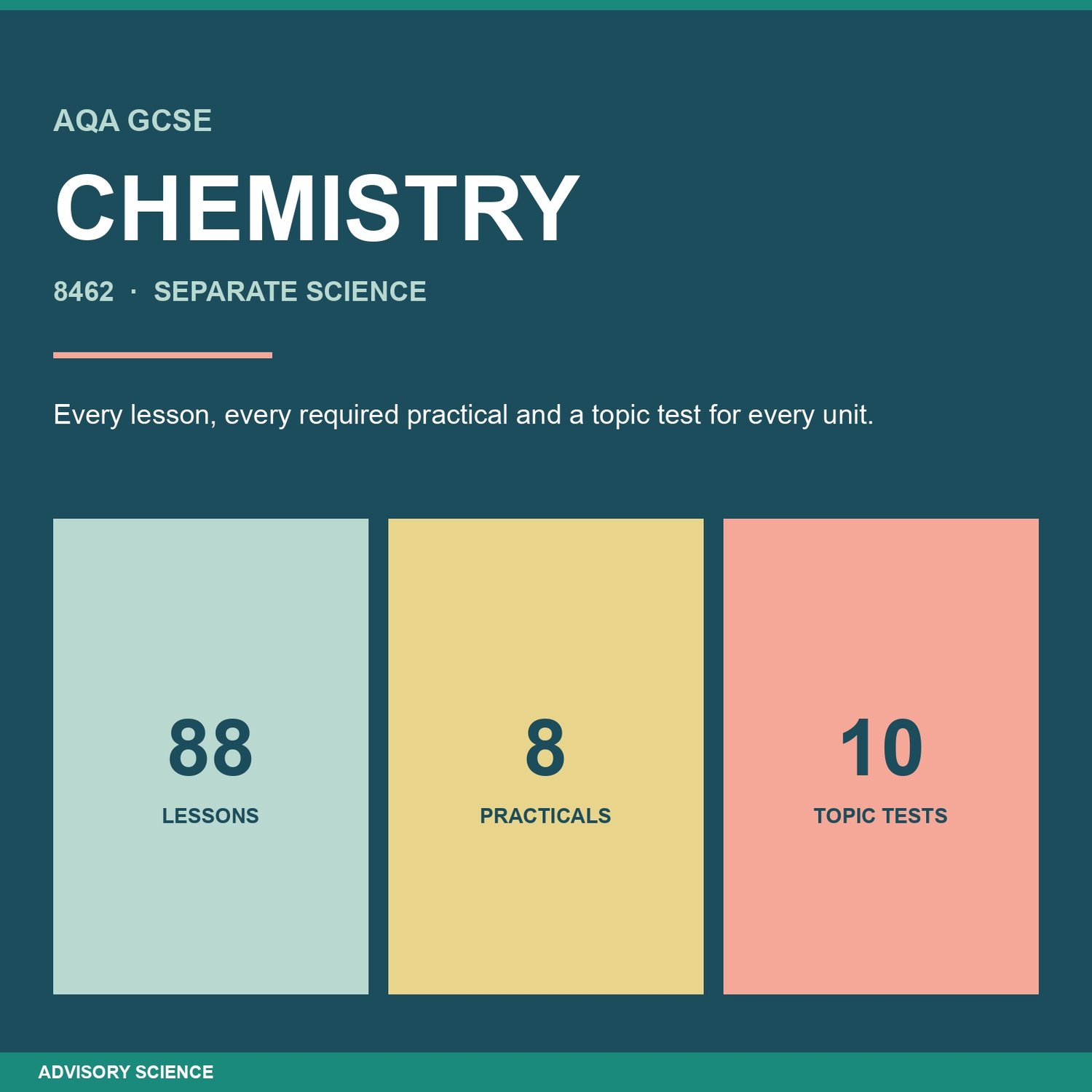


AQA GCSE Chemistry 8462 Complete Course | 96 Ready to Teach Lessons with Topic Tests
What you get
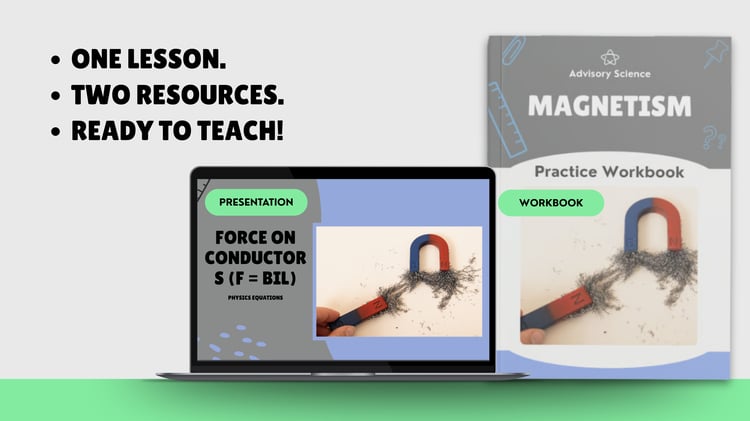
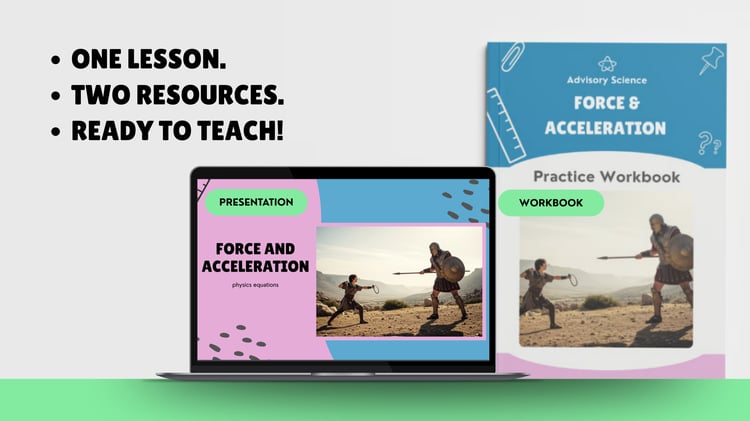
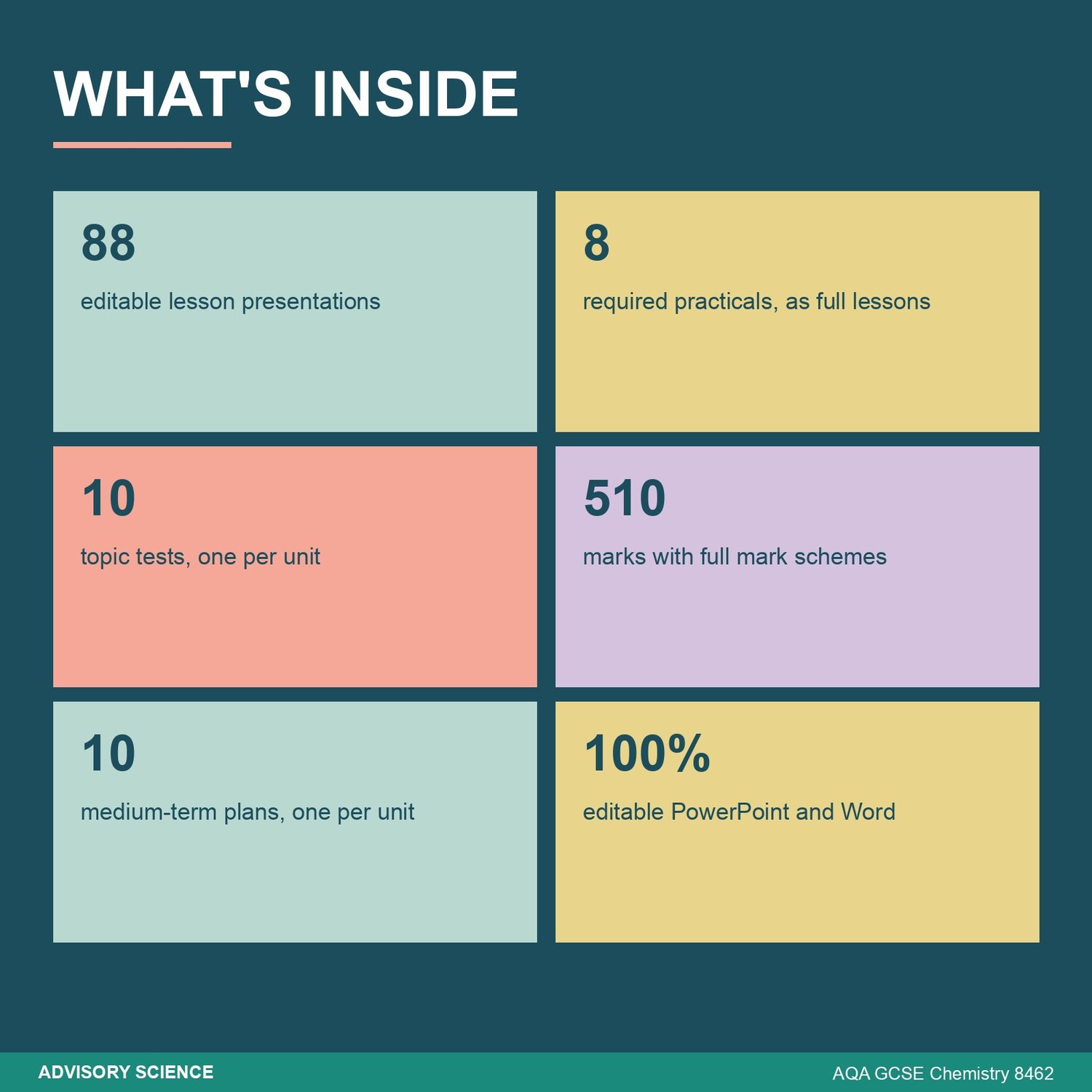
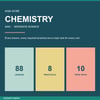
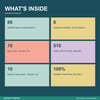
- 96 editable PowerPoint lessons, one hour each, in teaching order
- Including all 8 required practicals, each written as a full lesson with the method broken into steps
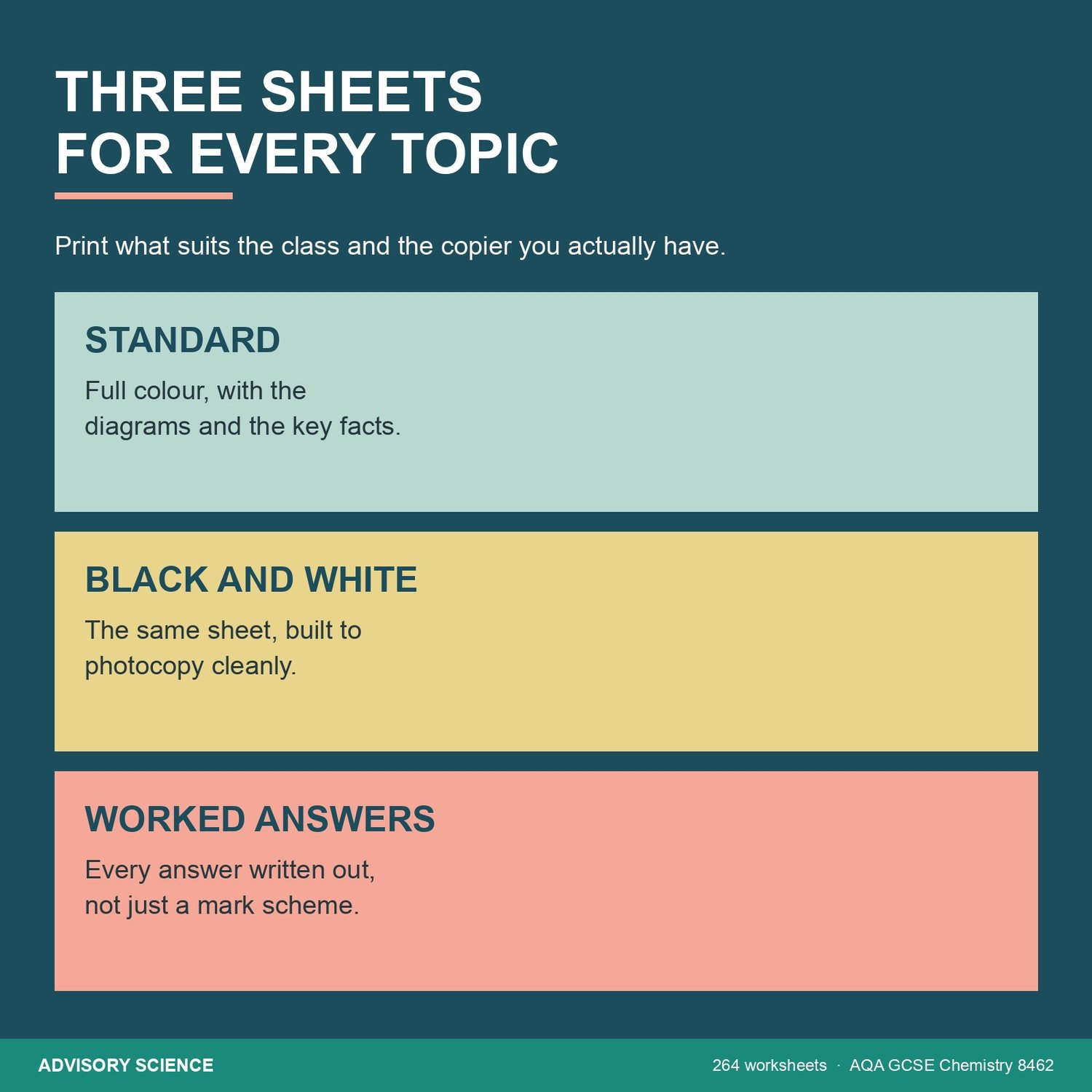
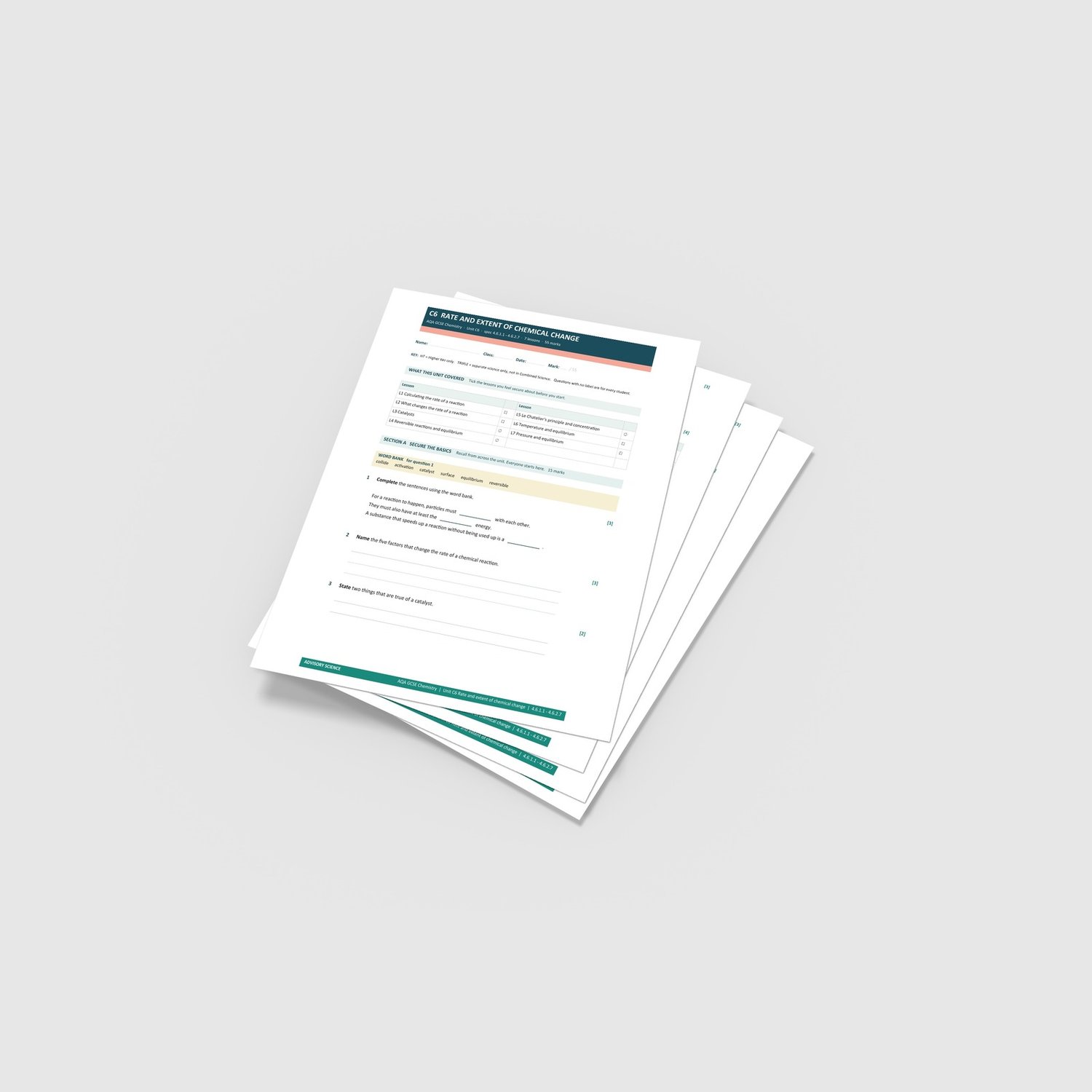
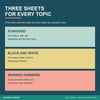
- 10 topic tests, one per topic, with a full mark scheme for every question. 510 marks in total
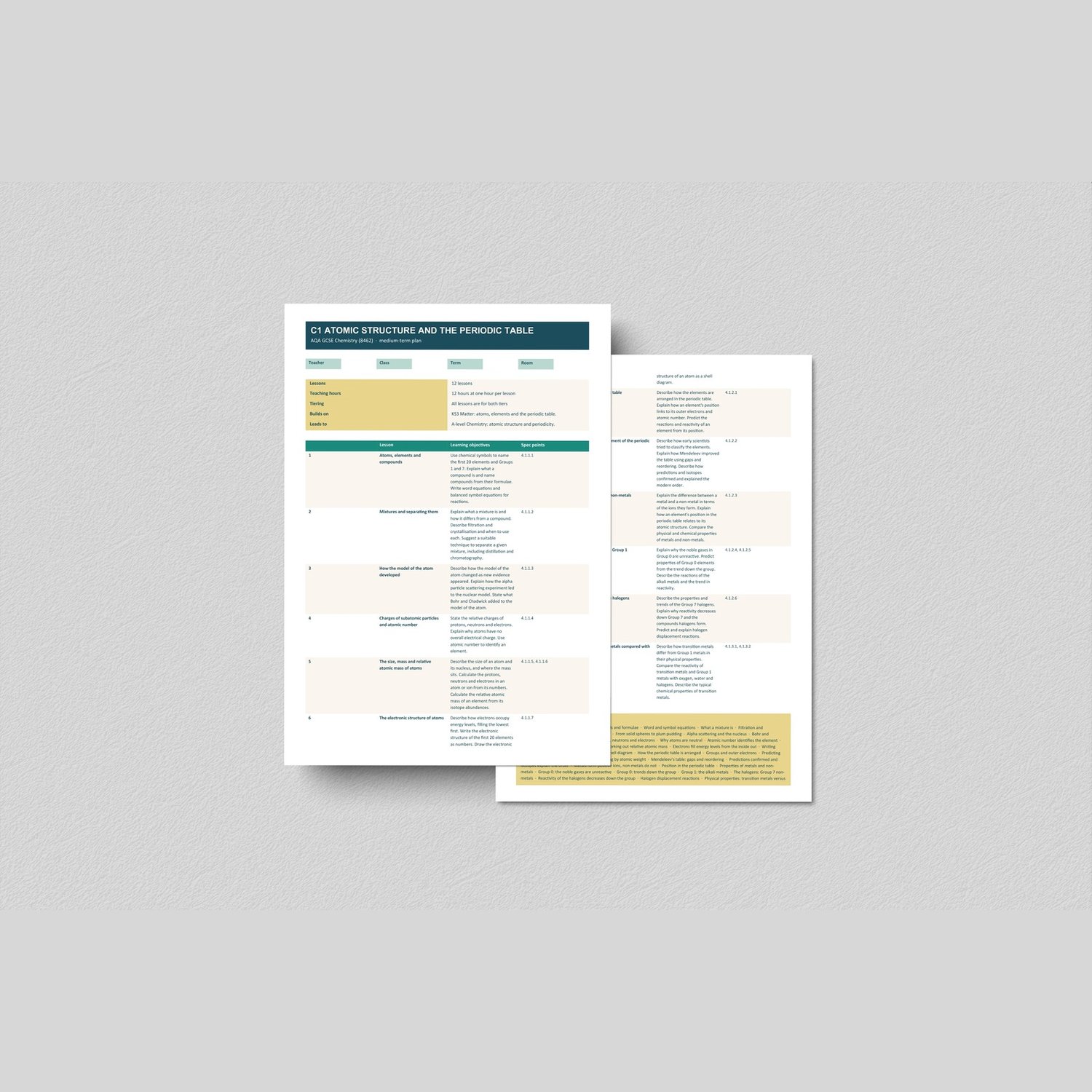
- 10 medium-term plans, one per unit, with the lesson sequence, key ideas, common misconceptions and assessment points
- A curriculum map listing every lesson with its objectives, specification points and tier, filterable, with your own teaching hours and terms to fill in
- A teacher guide explaining how the course is built and where to start
- A Personalised Learning Checklist covering the whole specification for pupils to rate red, amber or green before mocks
How every lesson runs
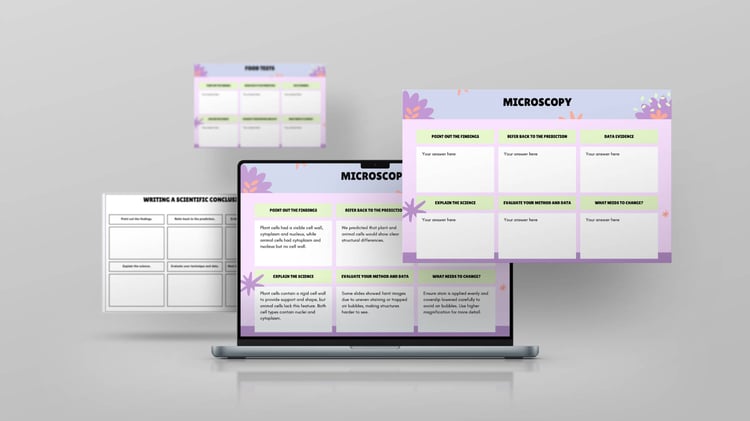
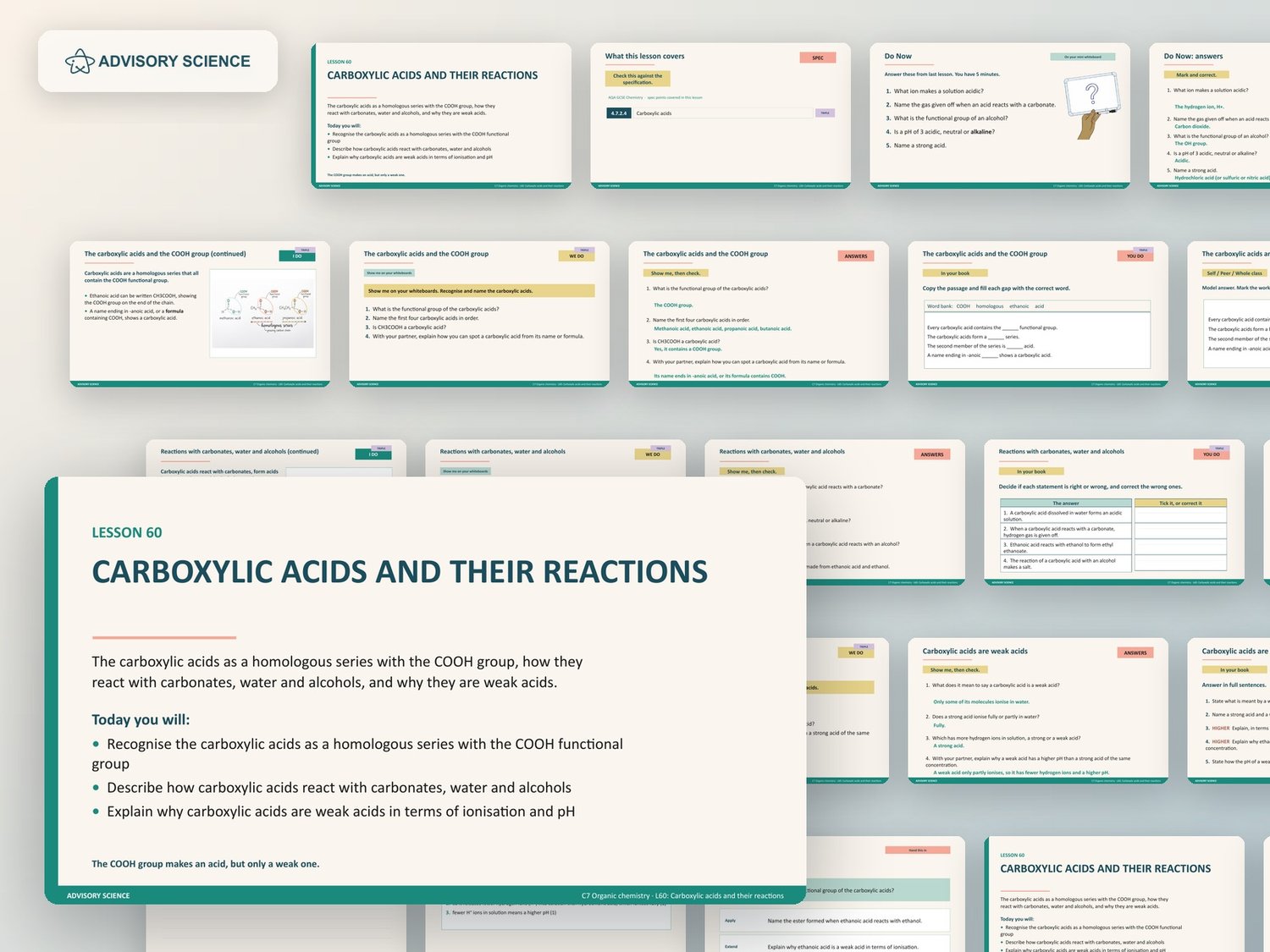
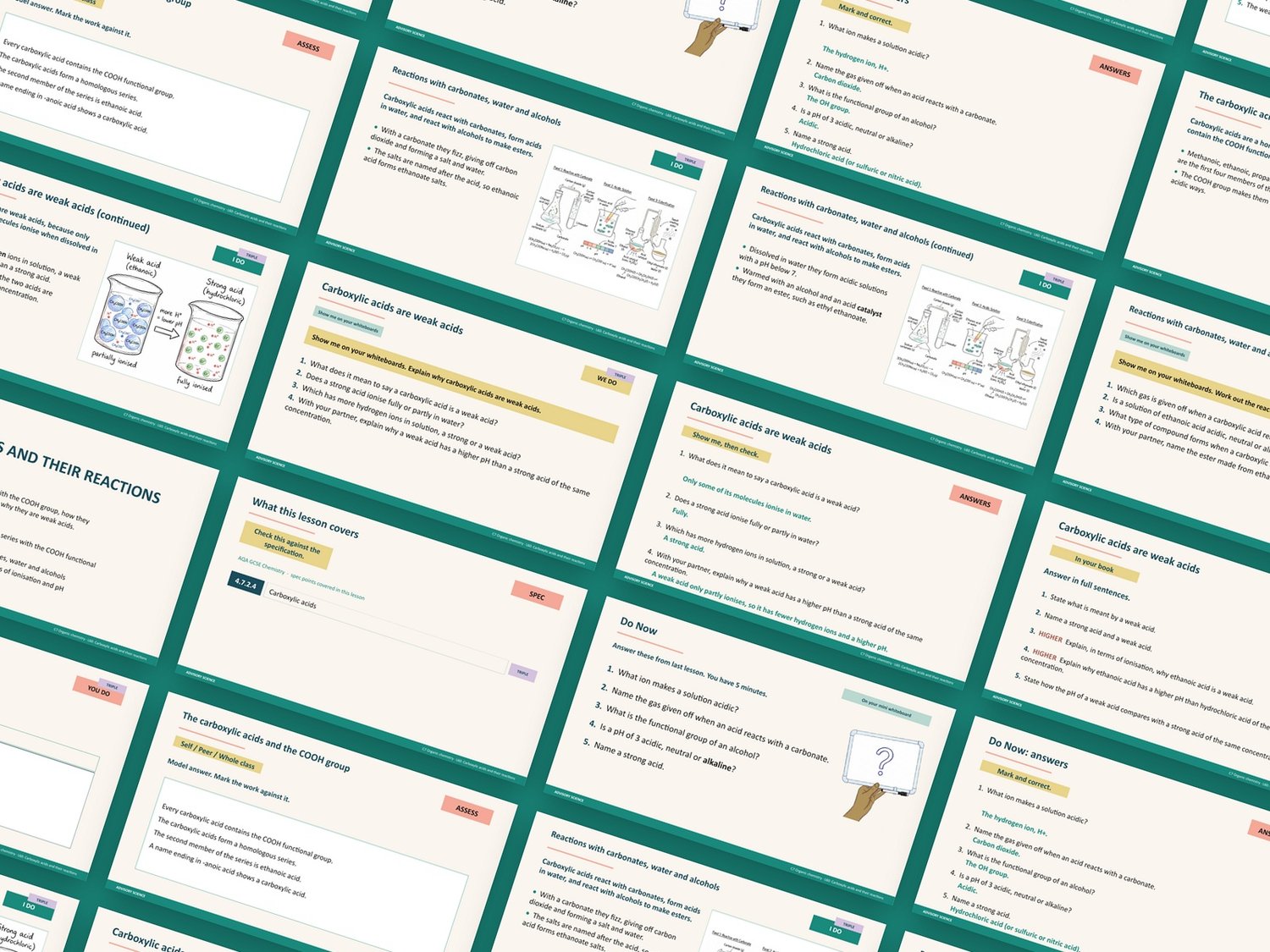
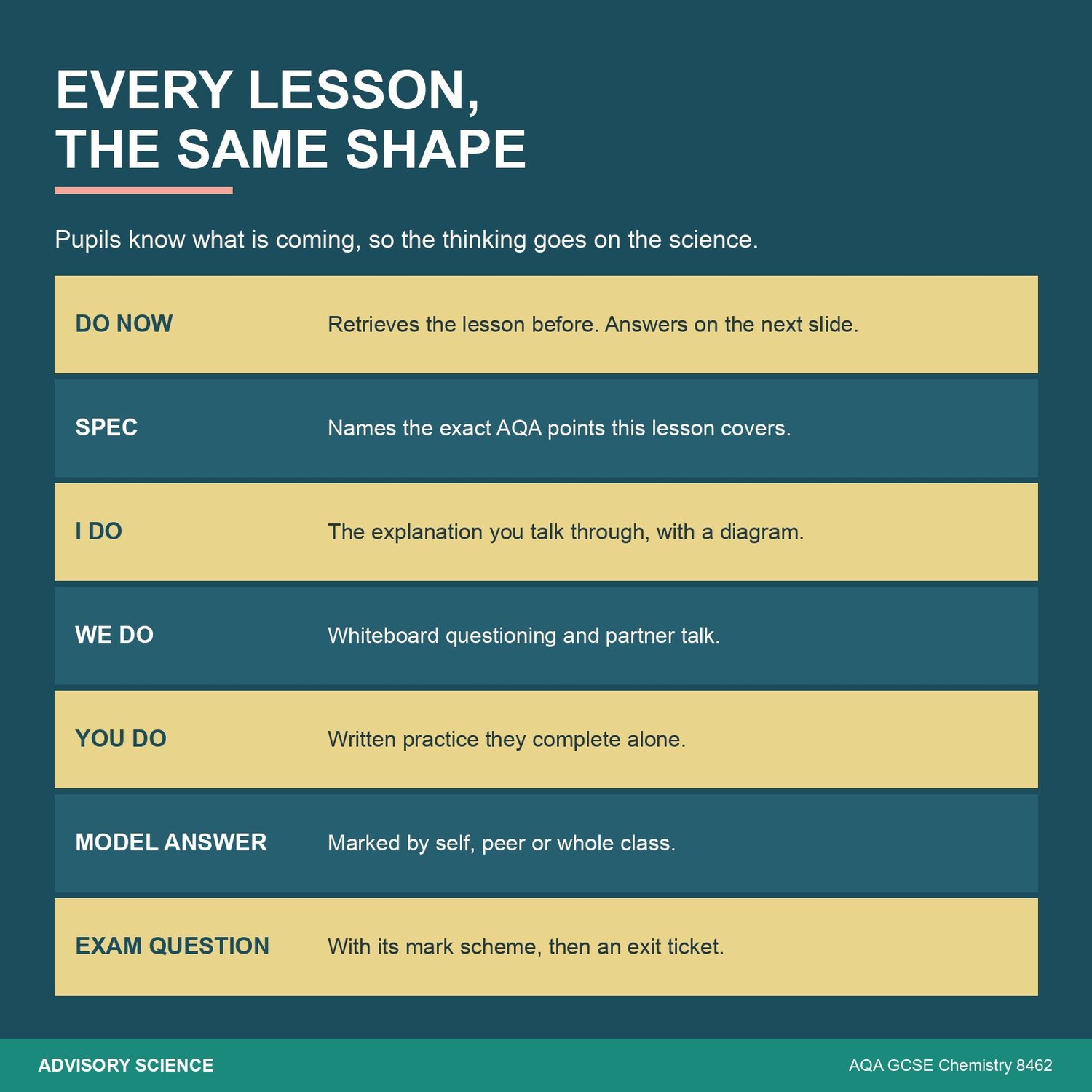
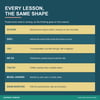
A title slide with the objectives and a hook. A slide naming the exact AQA specification points, so you can check it against the specification in seconds. A Do Now that retrieves the lesson before, with the answers on the next slide. Then I do, we do, you do, once for each idea: the explanation you talk through, whiteboard questioning and partner talk, then written practice they complete alone. A model answer after every task. An exam-style question with its mark scheme, and an exit ticket to close.
Chemistry carries more Higher-only content than the other two sciences, particularly across quantitative chemistry and equilibrium.
Everything is editable and customisable. The lessons are PowerPoint files and the topic tests are Word files. Change the examples, the names, the numbers and the pace to suit your class.
Who it is for
Heads of Science, Heads of Chemistry, KS4 Coordinators planning a two-year or three-year separate science route. Biologists and physicists teaching chemistry outside their specialism, and trainees and early career teachers. Tutors and home educators working through the specification with one pupil.
Download the free sample before you buy.
Written by Mrs Hayles, an award-winning science educator, former deputy headteacher and science curriculum author.
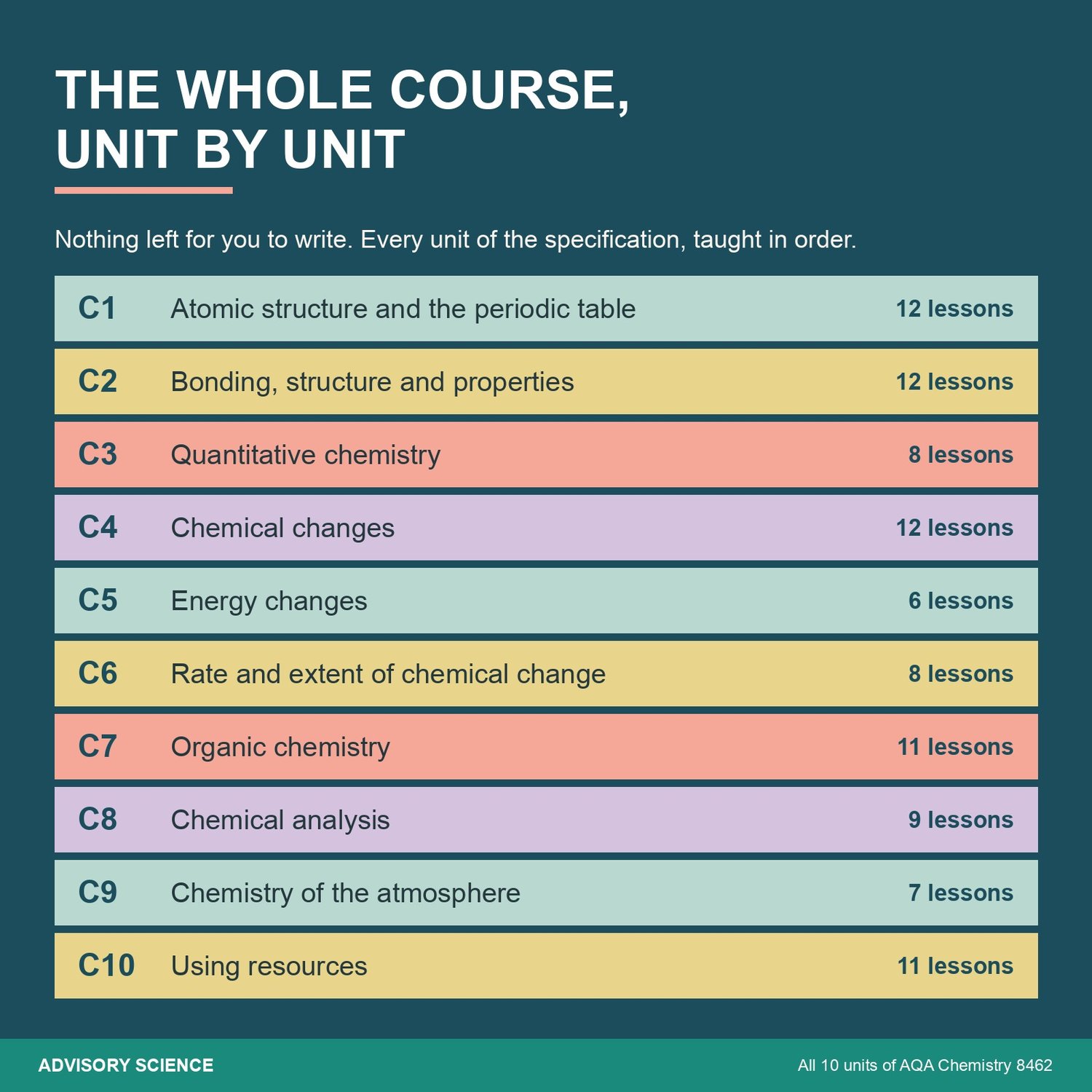
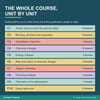
Every lesson in the course, in teaching order
All 96 lessons are listed below so you can check the course against your own scheme of work before you buy.
C1 Atomic structure and the periodic table
- Atoms, elements and compounds
- Mixtures and separating them
- How the model of the atom developed
- Charges of subatomic particles and atomic number
- The size, mass and relative atomic mass of atoms
- The electronic structure of atoms
- The periodic table
- The development of the periodic table
- Metals and non-metals
- Group 0 and Group 1
- Group 7: the halogens
- Transition metals compared with Group 1
C2 Bonding, structure and properties
- The three types of chemical bond
- Ionic bonding and the charges on ions
- Ionic lattices and covalent bonding
- Metallic bonding
- The three states of matter
- State symbols and the properties of ionic compounds
- Small molecules and polymers
- Giant covalent structures, metals and alloys
- Diamond and graphite
- Graphene, fullerenes and carbon nanotubes
- The size of nanoparticles
- Using nanoparticles
C3 Quantitative chemistry
- Conservation of mass and relative formula mass
- Mass changes and chemical measurements
- Moles and molar mass (Higher tier)
- Calculating masses from balanced equations (Higher tier)
- Limiting reactants and concentration of solutions (Higher tier)
- Percentage yield
- Atom economy
- Volumes of gases
C4 Chemical changes
- Metal oxides, oxidation and reduction
- The reactivity series
- Extracting metals and redox (Higher tier)
- Reactions of acids: metals, salts and neutralisation
- Making salts and the pH scale
- Required practical: Making a Soluble Salt
- Titrations, and strong versus weak acids
- Required practical: Titration
- The process of electrolysis
- Extracting metals and electrolysing solutions
- Required practical: Electrolysis
- Half equations at the electrodes (Higher tier)
C5 Energy changes
- Exothermic and endothermic reactions
- Reaction profiles and activation energy
- Bond Energies and Energy Change (Higher tier)
- Required practical: Temperature Changes
- Cells and Batteries
- Hydrogen Fuel Cells
C6 Rate and extent of chemical change
- Calculating the Rate of a Reaction
- What Changes the Rate of a Reaction
- Catalysts
- Reversible reactions and equilibrium
- Required practical: Rates of Reaction
- Le Chatelier's Principle and changing concentration (Higher tier)
- The effect of temperature on equilibrium (Higher tier)
- The effect of pressure on equilibrium (Higher tier)
C7 Organic chemistry
- Crude oil, hydrocarbons and alkanes
- Fractional distillation and petrochemicals
- The properties and combustion of hydrocarbons
- Cracking hydrocarbons to make alkenes
- The structure and formulae of alkenes
- Reactions of the alkenes
- Alcohols and their reactions
- Carboxylic acids and their reactions
- Addition Polymerisation
- Condensation Polymerisation
- DNA and Natural Polymers
C8 Chemical analysis
- Pure substances and formulations
- Chromatography and Rf values
- Testing for hydrogen, oxygen and carbon dioxide
- Testing for Chlorine
- Identifying Metal Ions: Flame Tests and Hydroxides
- Required practical: Chromatography
- Required practical: Identifying Ions
- Identifying Carbonates, Halides and Sulfates
- Instrumental methods and flame emission spectroscopy
C9 Chemistry of the atmosphere
- The gases in today's atmosphere
- The Earth's early atmosphere
- How oxygen rose and carbon dioxide fell
- Greenhouse gases and the greenhouse effect
- Climate change and the carbon footprint
- Pollutants from burning fuels
- The problems pollutants cause
C10 Using resources
- Resources and sustainable development
- Potable water
- Waste water treatment and extracting copper from low-grade ores (Higher tier)
- Life cycle assessment
- Reduce, Reuse and Recycle
- Corrosion and Rusting
- Alloys as Useful Materials
- Required practical: Water Purification
- Ceramics, Polymers and Composites
- The Haber Process
- NPK Fertilisers
Licence
One purchase covers one teacher. You can use these lessons with your own classes for as long as you teach, edit them to suit your pupils, print them and share them with the children you teach and their parents.
If your whole department wants to use them, buy one copy per teacher or email info@advisoryscience.com and I will arrange a department price.
Please do not upload the files to a public website, share them outside your own school, or resell them.