

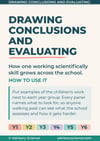
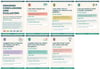
Working Scientifically Progression Map KS1 KS2 Display: Drawing Conclusions and Evaluating
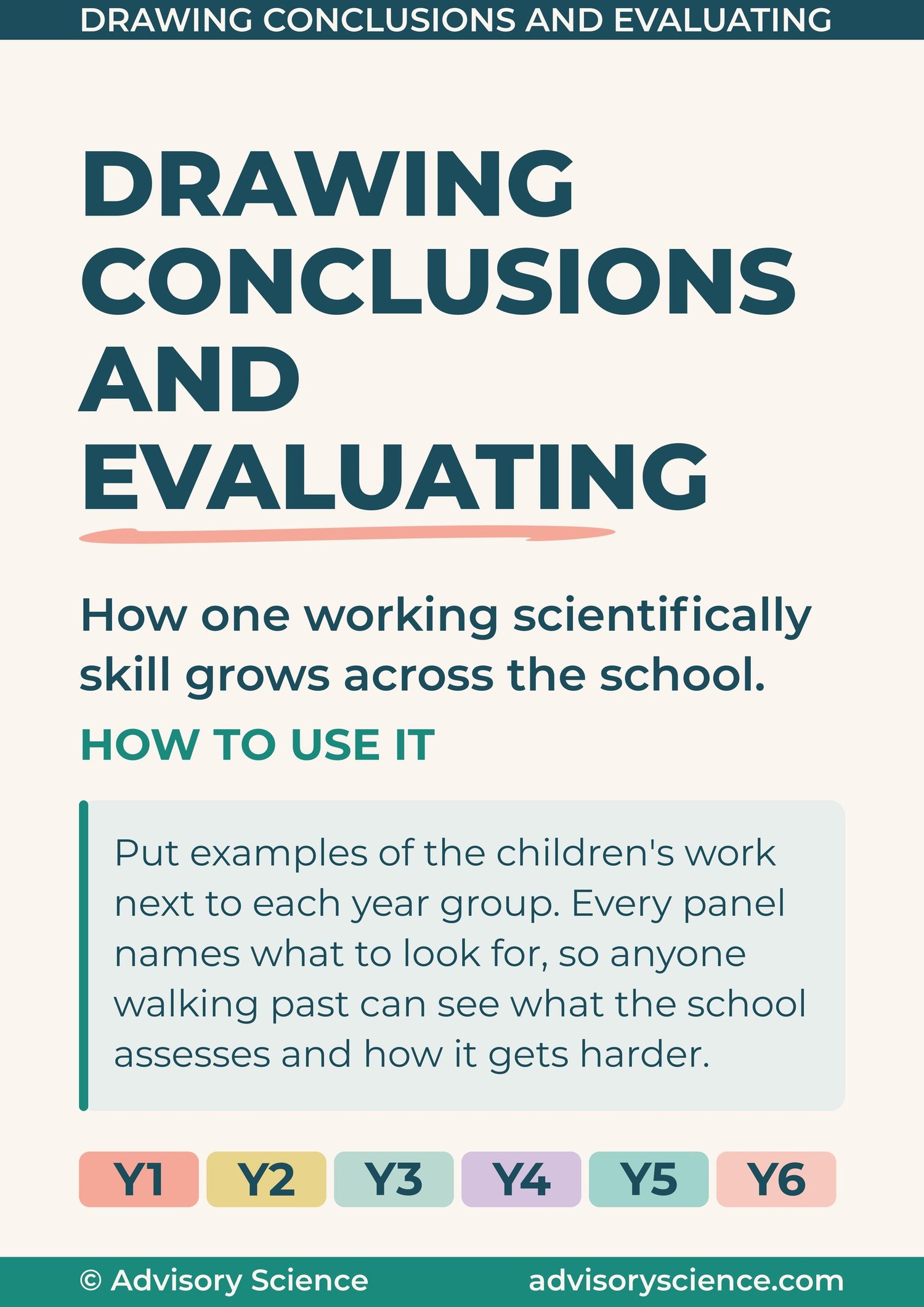
A whole-school progression map and display showing how working scientifically develops from Year 1 to Year 6.
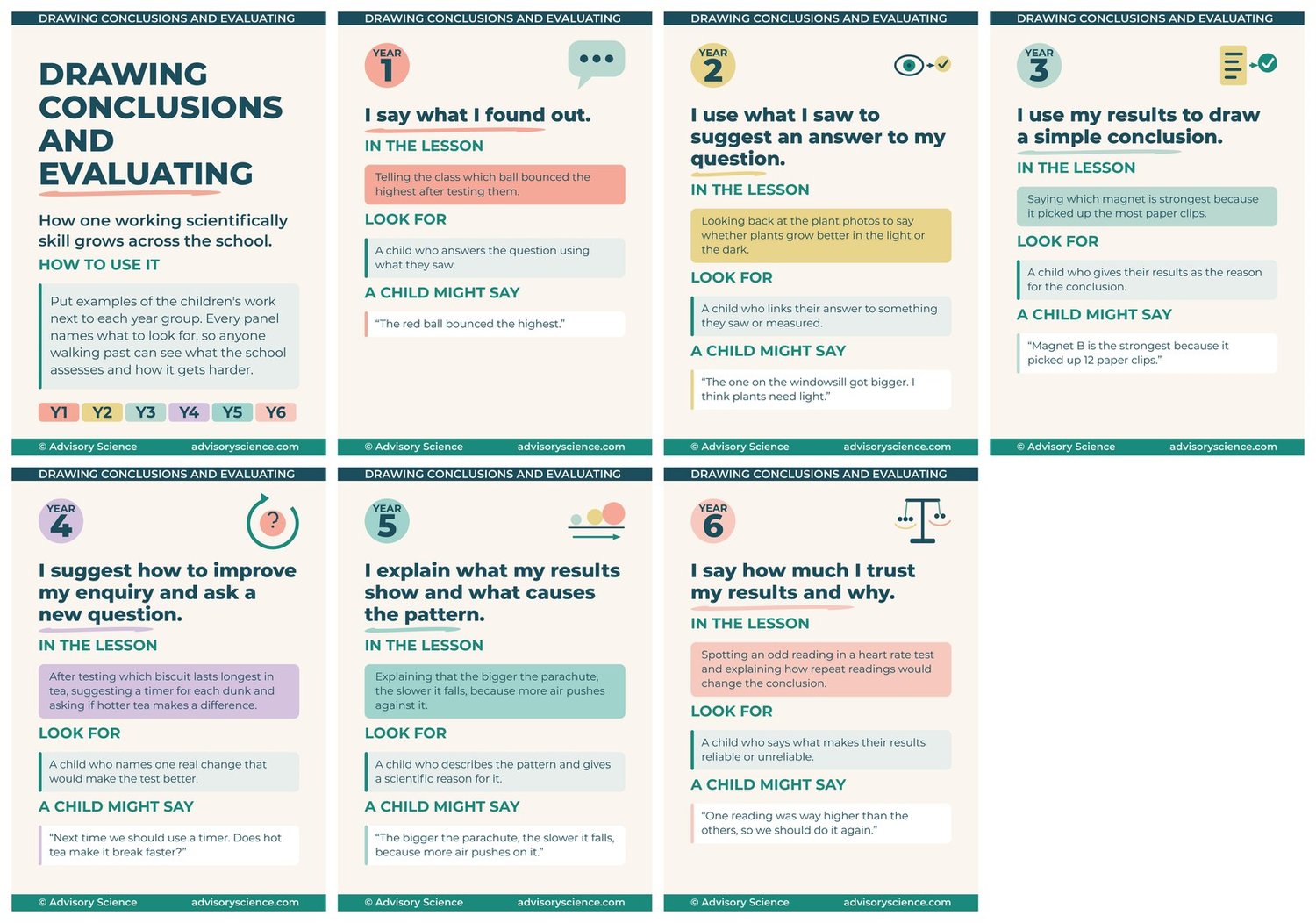
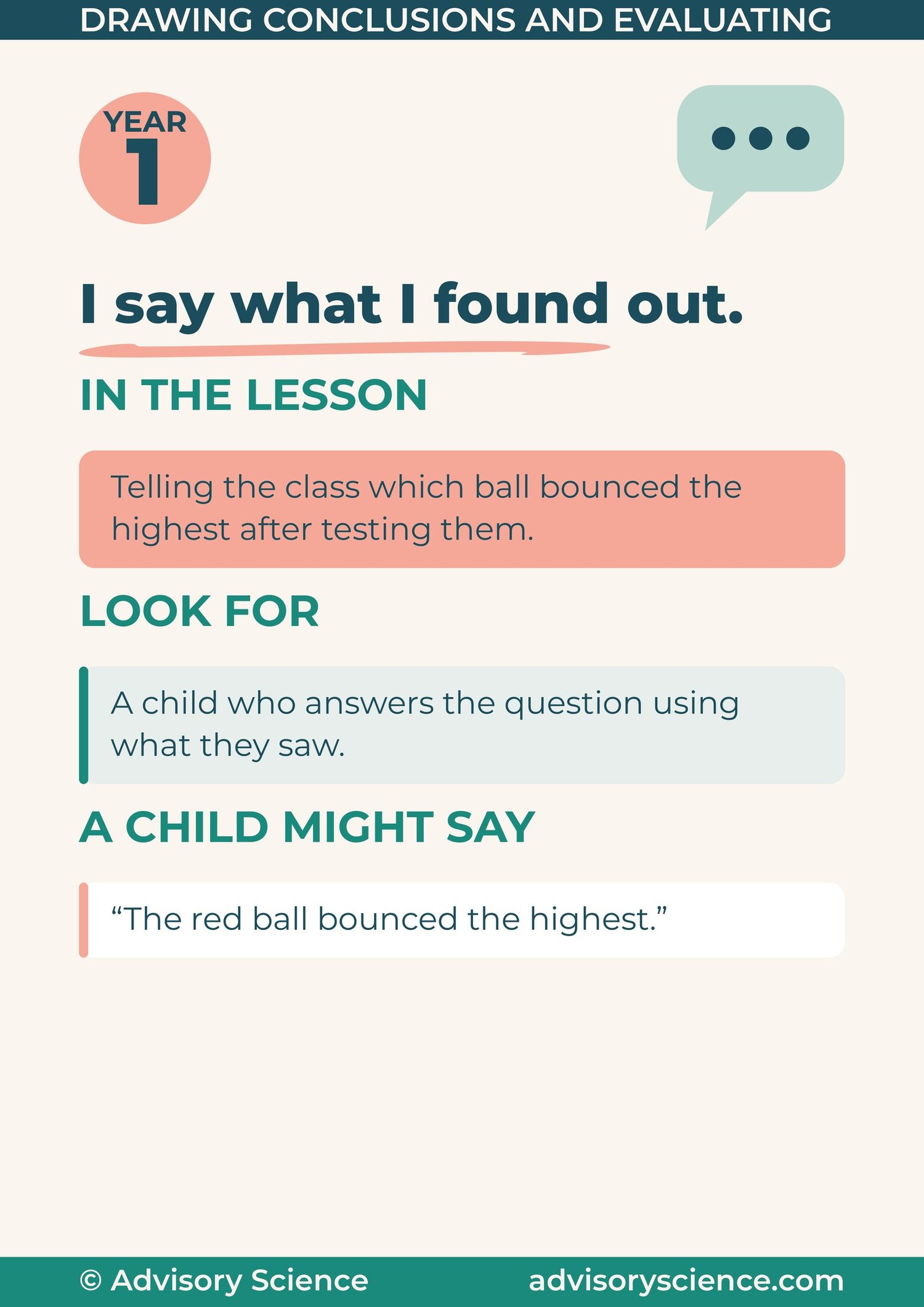
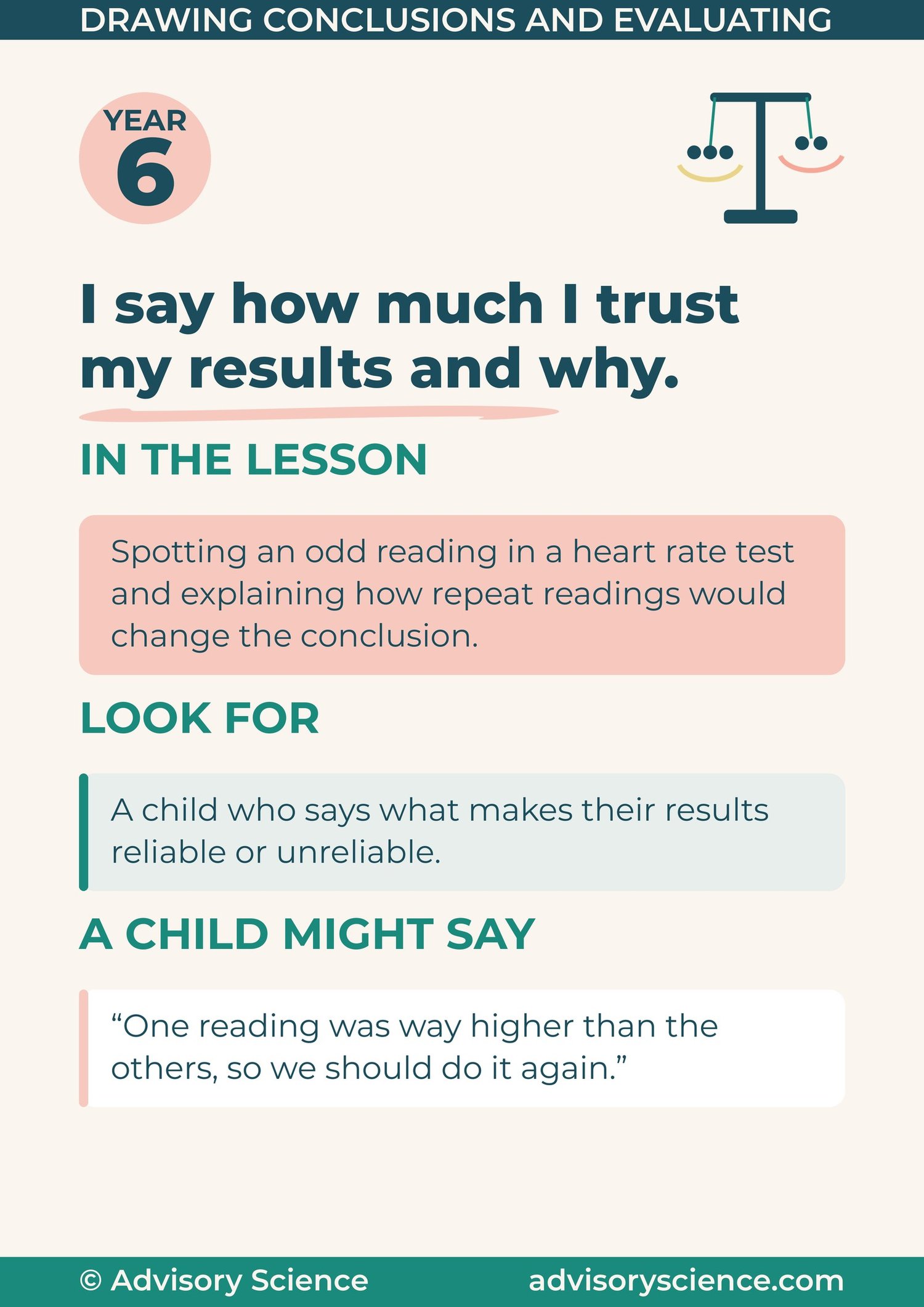
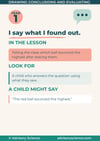
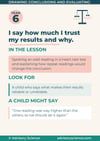
This one focuses on drawing conclusions and evaluating. In Years 1 and 2, children say what they found out and use what they saw to suggest an answer to their question. By Years 3 and 4, they use their results to draw a simple conclusion and suggest how to improve an enquiry. By Years 5 and 6, they explain what causes the pattern in their results and say how much they trust those results and why.
Each panel includes
- the skill explained in language children can understand
- what it might look like in a lesson
- what you would be looking for in a child's work
- something a child in that year group might say
Put children's work alongside the relevant year group so the display shows the progression in the skill.
What you get
- seven A3 sheets in one PDF
- a header panel and one panel for each year group
- ready to print, no editing needed
The wording follows the statutory working scientifically strands, so it changes between Year 2 and Year 3 where the curriculum changes.
This is one of six working scientifically strands, and all six are free. The other five are:
- Observing and Measuring
- Identifying and Classifying
- Asking Questions and Planning
- Setting Up Tests
- Recording and Presenting Data
Download it and I'll email you when I add new progression resources.
For Years 3 to 6, the KS2 Science Talk Mats Bundle (£9.99) gives children sentence frames and word banks to talk about every science topic.
The Working Scientifically Skills Pack (£9.99) gives you a slide for each of these six skills, with a model answer after each one, for KS1 and KS2.
The Scientific Enquiry Planning Pack (£9.99) gives you a planning slide for each type of scientific enquiry, with a model answer after each one, for KS1 and KS2.
Read how this skill develops from Year 1 to Year 6, with a classroom example for every year group, on the blog: Drawing Conclusions and Evaluating: How Does This Develop from Year 1 to Year 6?