
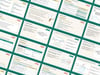
AQA GCSE Physics P6 Waves | 14 Lesson Presentations and Topic Test
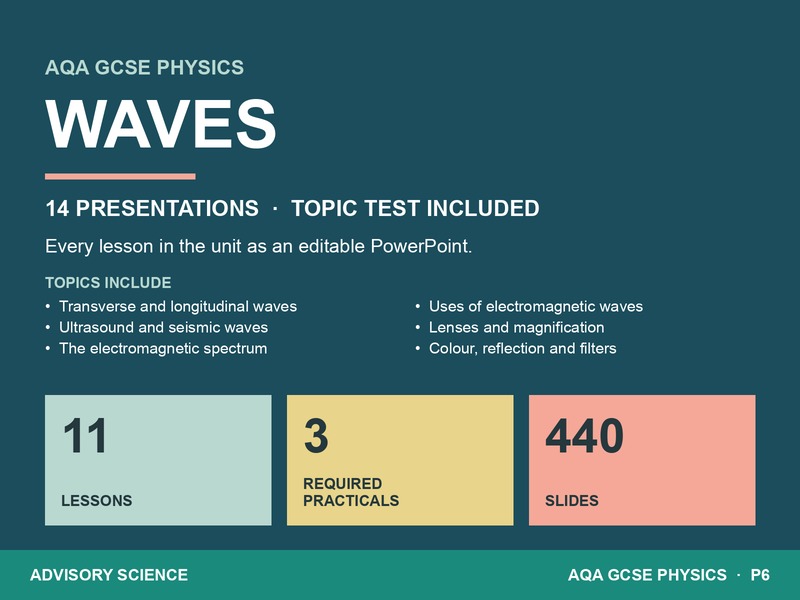
AQA GCSE Physics P6 Waves: 14 lessons ready to teach, with a topic test
You get every lesson for AQA GCSE Physics P6 Waves, planned and ready to teach. There are 11 teaching lessons and the 3 required practicals as full lessons. Each one is editable PowerPoint and matched to the AQA 8463 specification.
What your classes work through
- Transverse and longitudinal waves. Pupils use a displacement against time graph for a floating duck to find its average vertical speed from lowest to highest point.
- Amplitude, wavelength, frequency and the wave equation. Pupils explain why doubling the frequency of a loudspeaker note makes both its period and its wavelength smaller.
- Reflection, transmission, absorption and how we hear sound. Pupils pick the best explanation for why a microphone detects a 25 kHz sound that a person standing beside it cannot hear.
- Ultrasound and seismic waves. Pupils describe how P-waves and S-waves behave at the liquid outer core and explain what this reveals to scientists.
- The electromagnetic spectrum. Pupils write a 6-mark evaluation of the claim that radio waves and gamma rays have no real difference, weighing points for and against.
- Generating electromagnetic waves and their dangers. Pupils total a patient's yearly radiation dose from scans, X-rays and background radiation and convert the answer into sieverts.
- Uses of electromagnetic waves. Pupils compare the electromagnetic waves used in satellite and fibre optic communication and explain why each suits its job.
- Lenses and magnification. Pupils predict whether a lens that enlarges the print on a postage stamp is convex or concave and justify their answer.
- Colour, reflection and filters. Pupils evaluate the claim that a red filter changes the actual colour of a green leaf because the leaf looks black.
- Infrared radiation and perfect black bodies. Pupils complete reasoning to predict whether water in a matt black mug or a shiny silver mug cools faster, and why.
- Black body radiation and the temperature of the Earth. Pupils find the net power of a metal plate in sunlight, calculate the energy it gains in 5.0 minutes and state the effect on temperature.
The 3 required practicals
- RP8 Waves. Pupils apply the wave equation to ripple tank measurements of frequency and wavelength to calculate the wave speed.
- RP9 Light. Pupils describe how a ray of light changes direction as it enters and leaves a rectangular glass block and explain why.
- RP10 Infrared Radiation. Pupils evaluate a conclusion that colour is the only thing affecting how much a surface warms up beside a heater.
Who it is for
Use it to teach AQA GCSE Physics P6 Waves lessons on wave properties, sound, seismic waves, the electromagnetic spectrum, lenses, colour and black body radiation in Year 10 and Year 11. It covers the waves, light and infrared radiation required practicals and works as a set of GCSE Physics revision lessons.
How each lesson runs
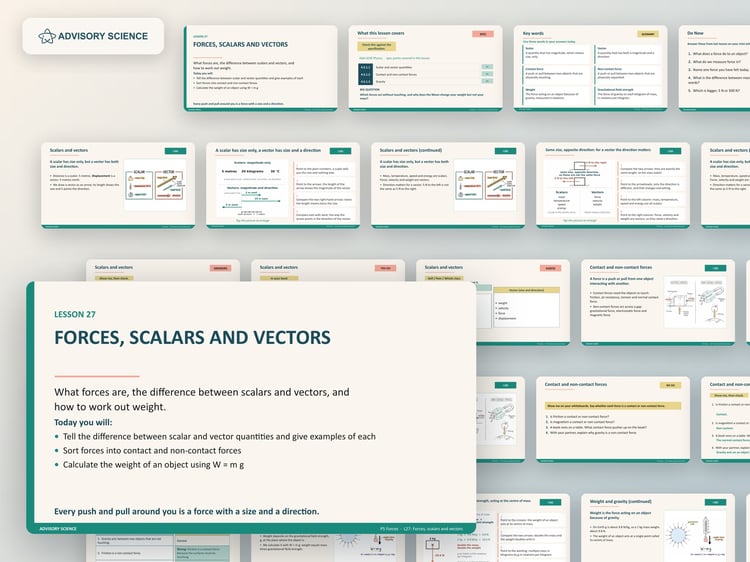
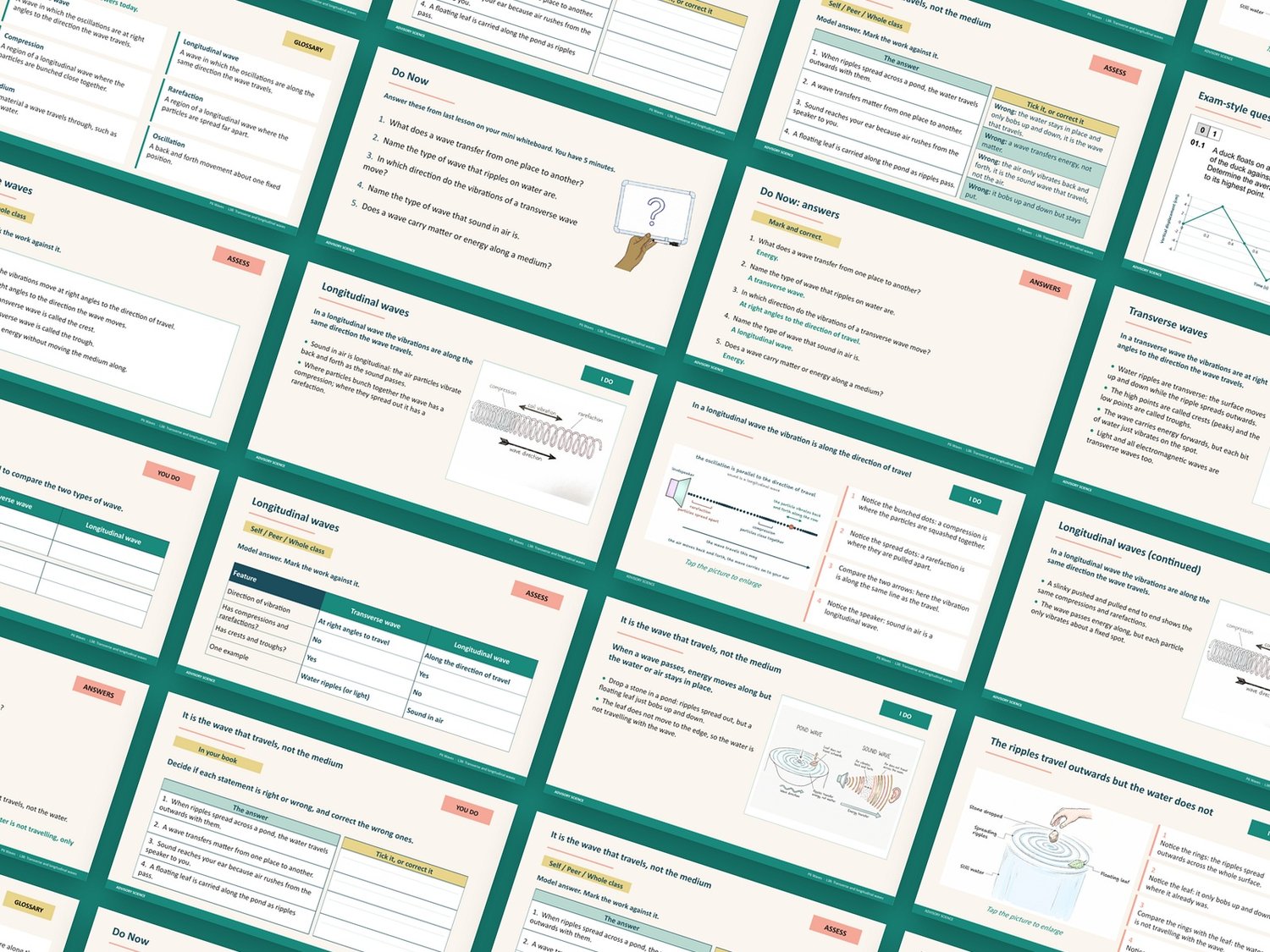
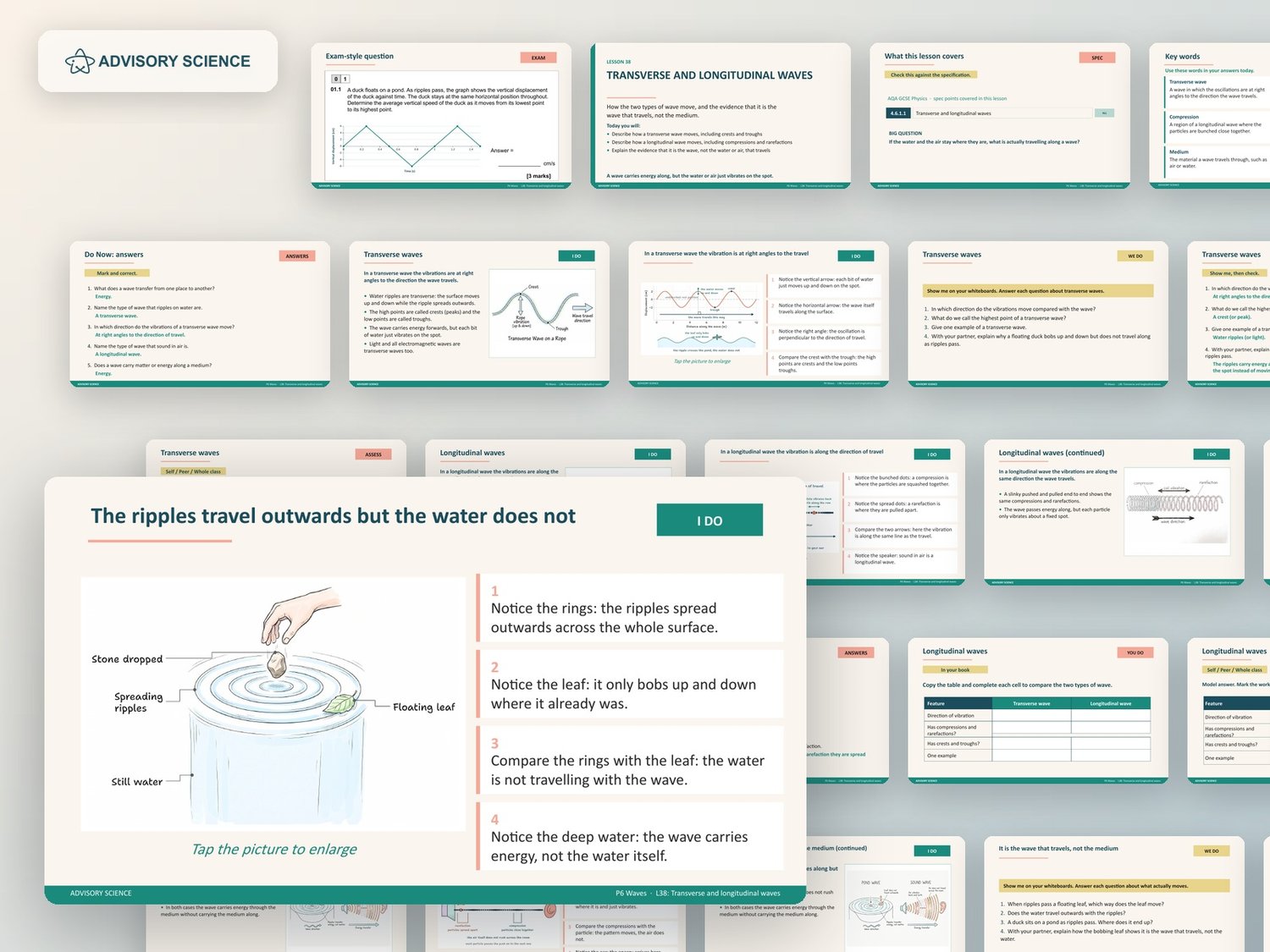
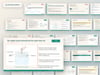
Each P6 Waves lesson starts with a Do Now that recalls earlier learning, with the answers on the next slide. It then moves through I Do, We Do and You Do, with a model answer after each task. It finishes with the AQA-style question listed above, its mark scheme and an exit ticket. A specification slide names the AQA points the lesson covers, so you can check it against your scheme of work.
Topic test
The P6 Waves topic test covers the whole unit with AQA-style questions and comes with its mark scheme, both in Word and PDF.
Free revision videos for this unit