


AQA GCSE Physics 8463 Complete Course | 71 Ready to Teach Lessons with Topic Tests
Everything a department needs to teach AQA GCSE Physics (8463), planned and ready to teach from the first lesson. Every lesson is ready to use, so your teachers get their planning time back and every class gets the same high-quality lesson.
What you get
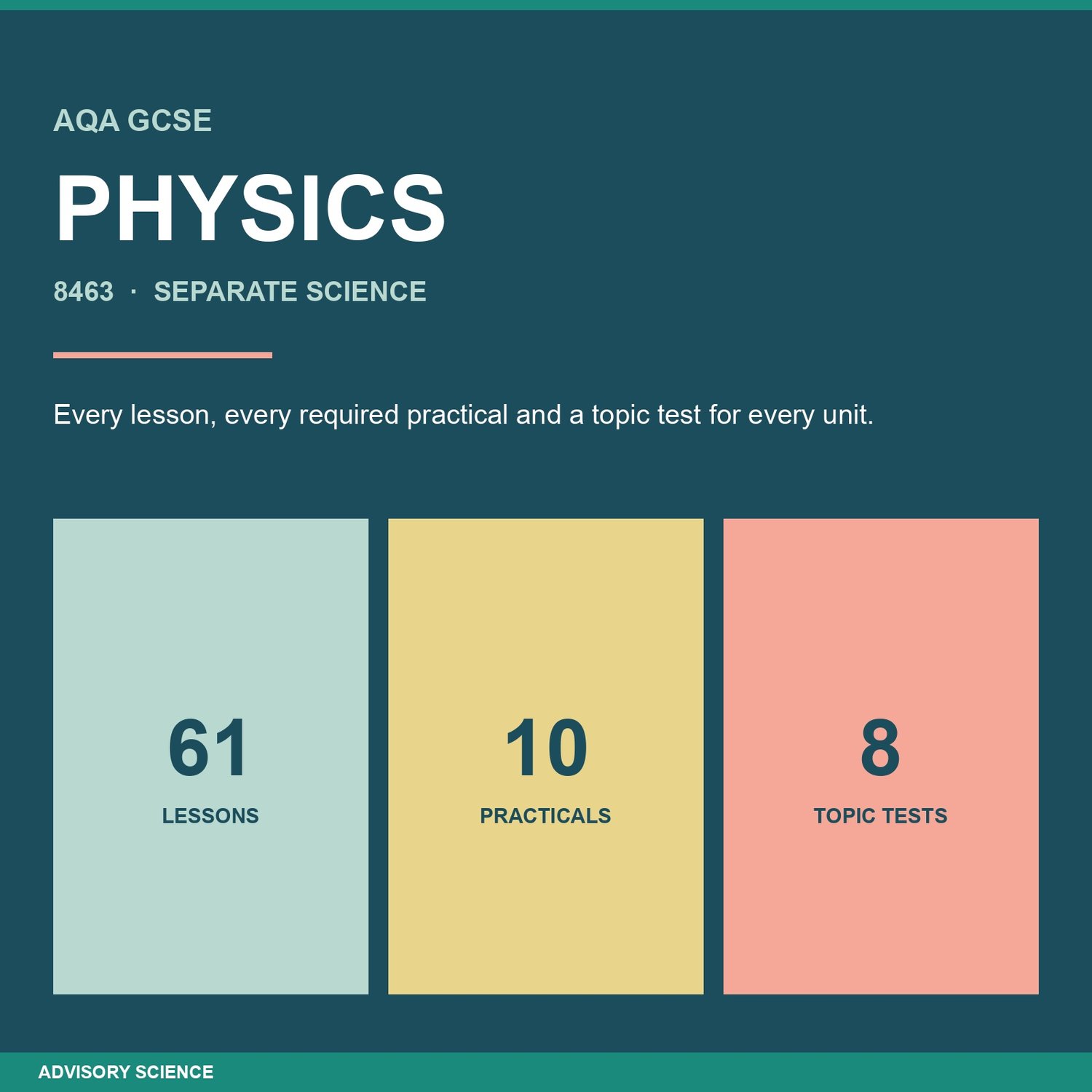
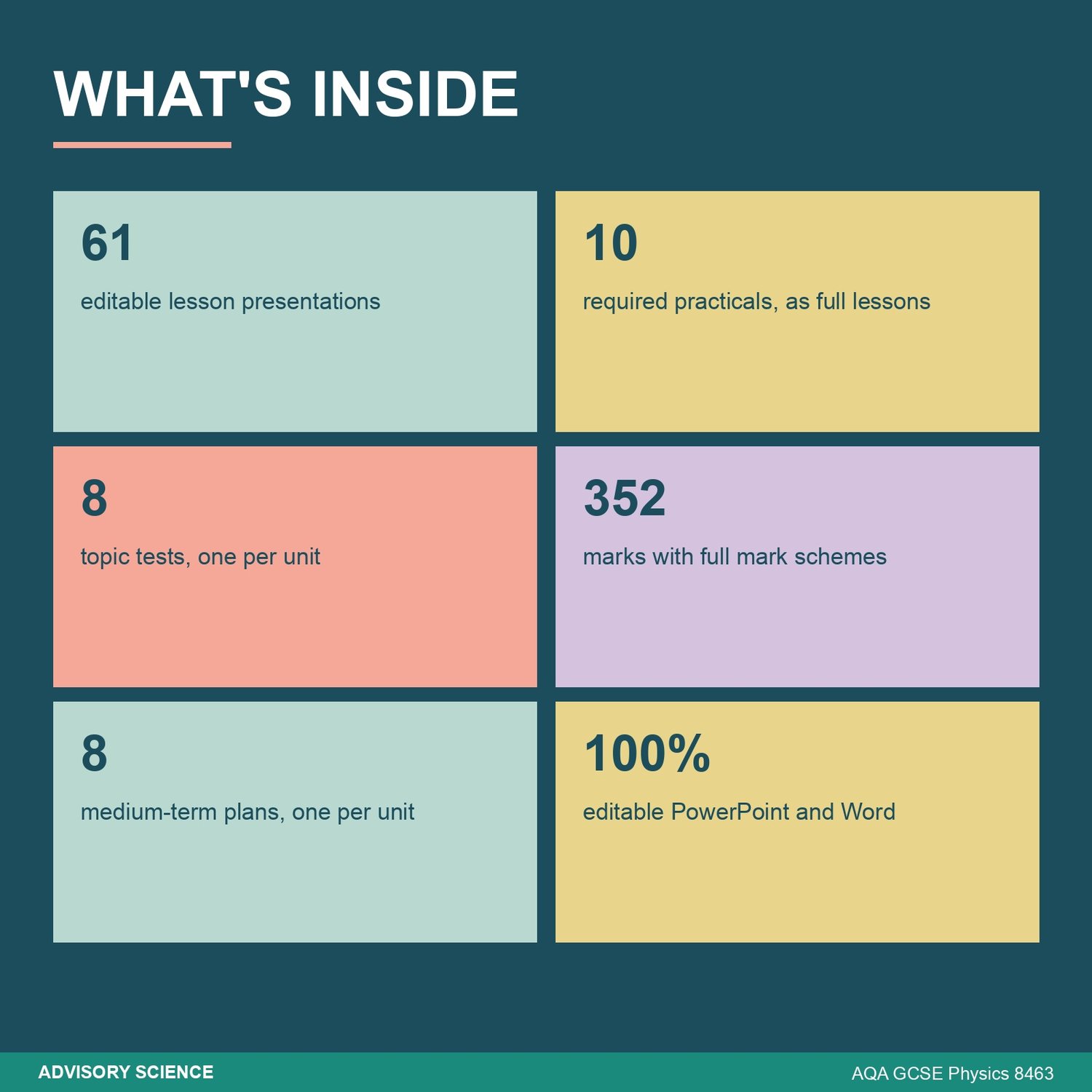
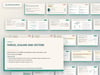
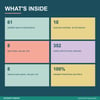
- 71 editable PowerPoint lessons, one hour each, in teaching order
- Including all 10 required practicals, each written as a full lesson with the method broken into illustrated steps
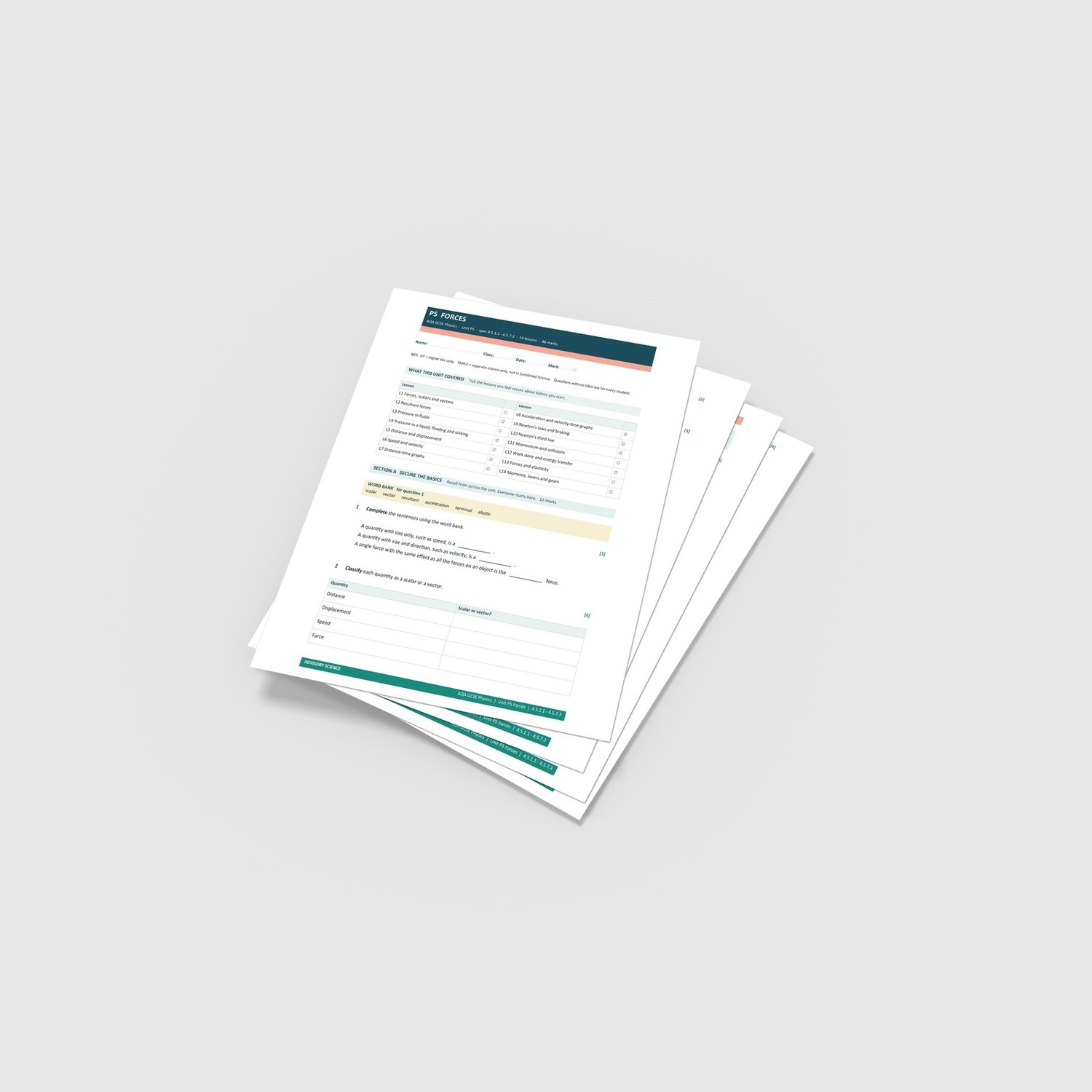
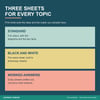
- 8 topic tests, one per topic, with a full mark scheme for every question. 352 marks in total.
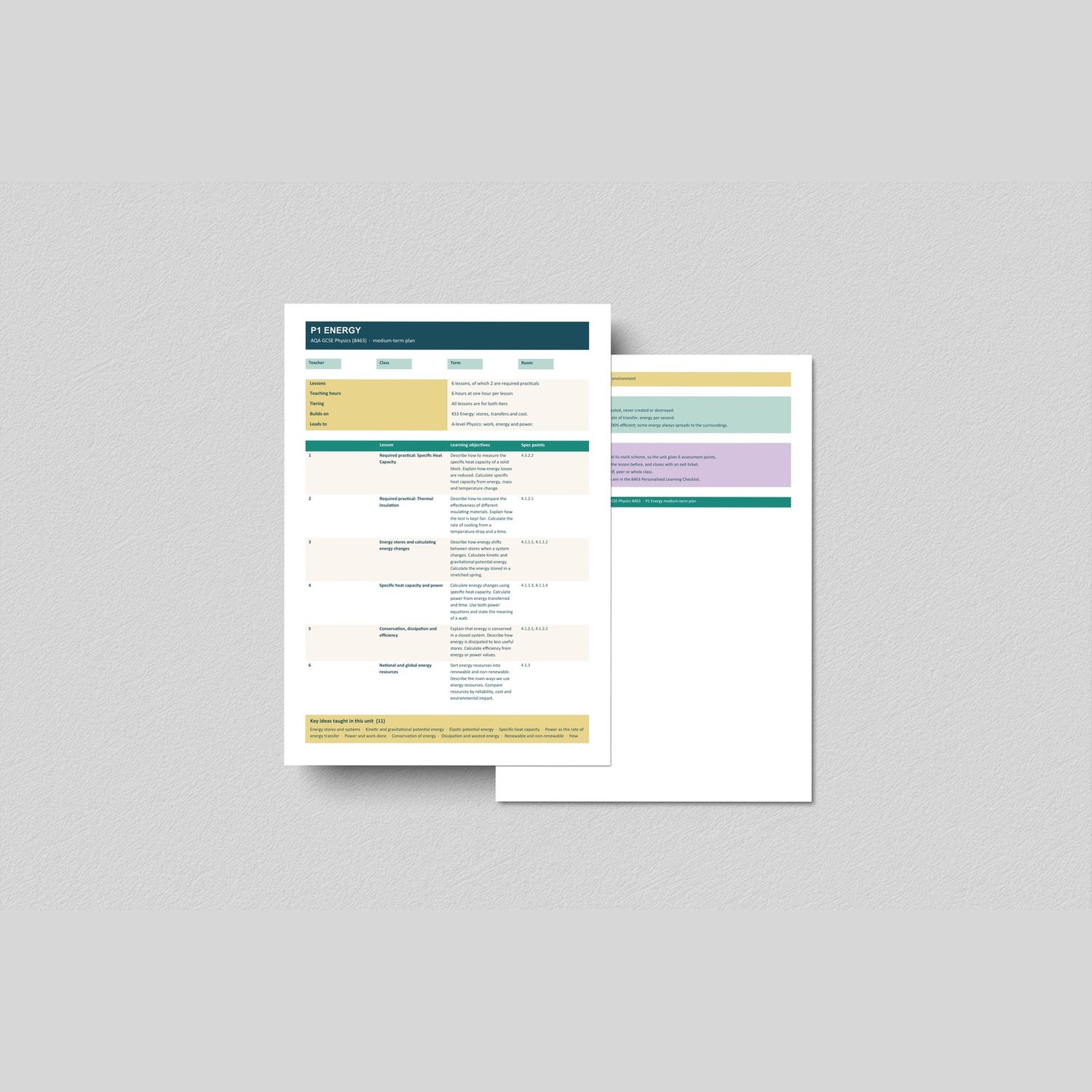
- 8 medium-term plans, one per unit, with the lesson sequence, key ideas, common misconceptions and assessment points
- A curriculum map listing all 71 lessons with their objectives, specification points and tier, filterable, with your own teaching hours and terms to fill in
- A teacher guide explaining how the course is built and where to start
- A Personalised Learning Checklist covering the whole specification for pupils to rate red, amber or green before mocks
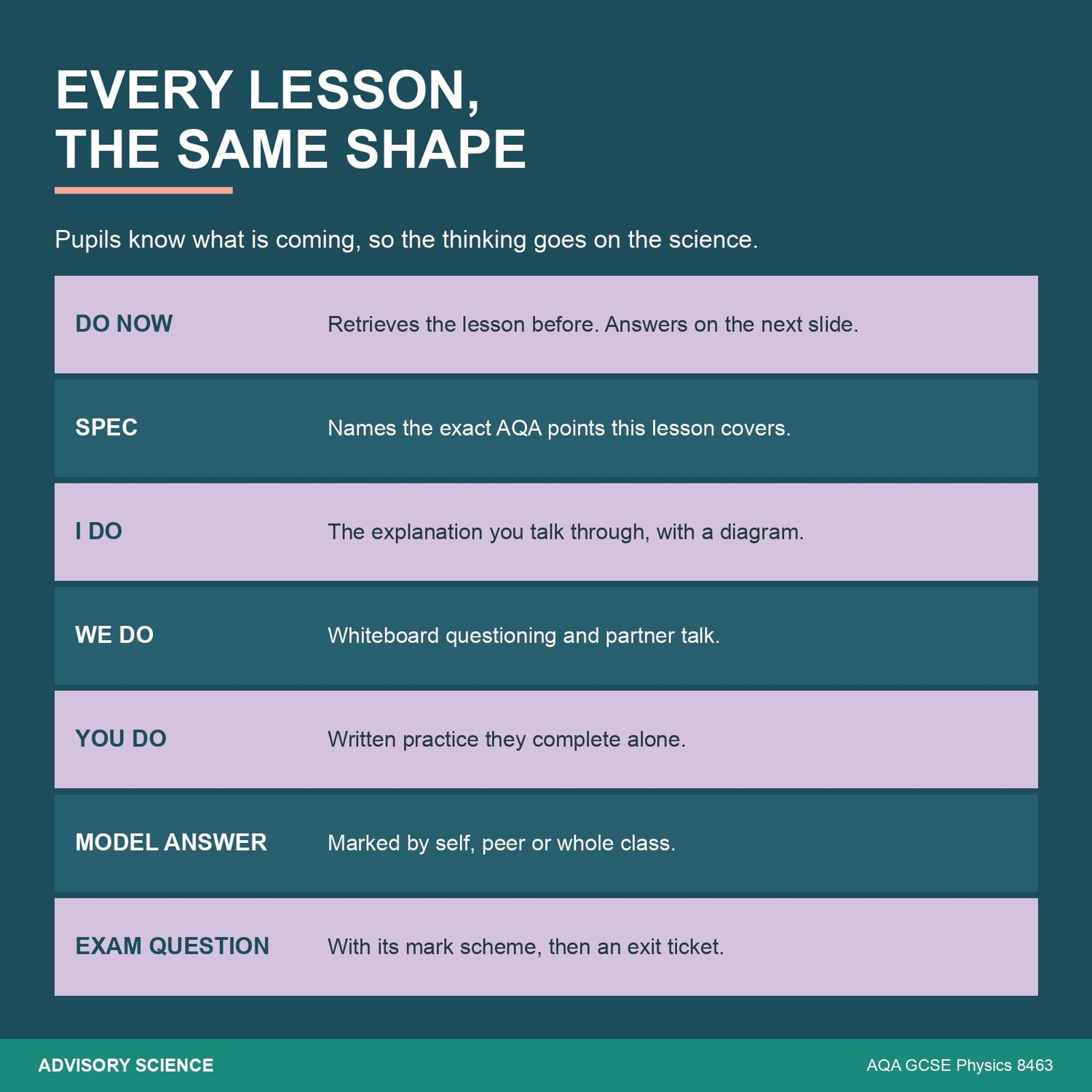
The same clear structure in every lesson
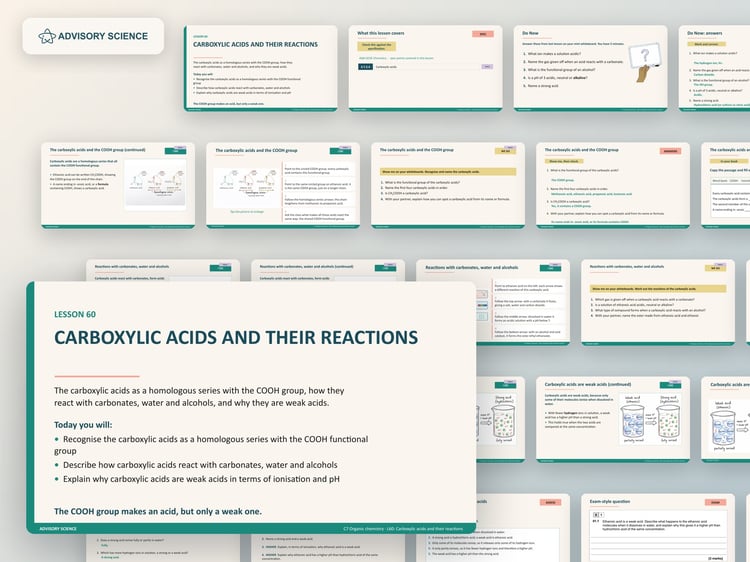
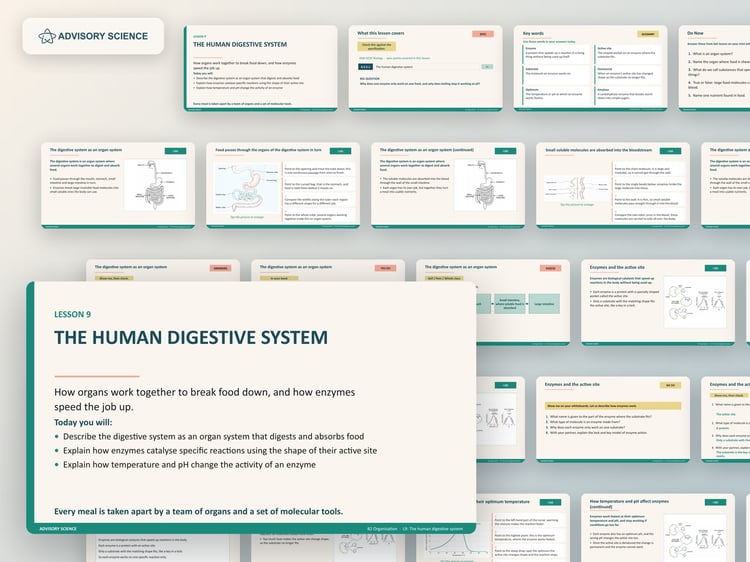
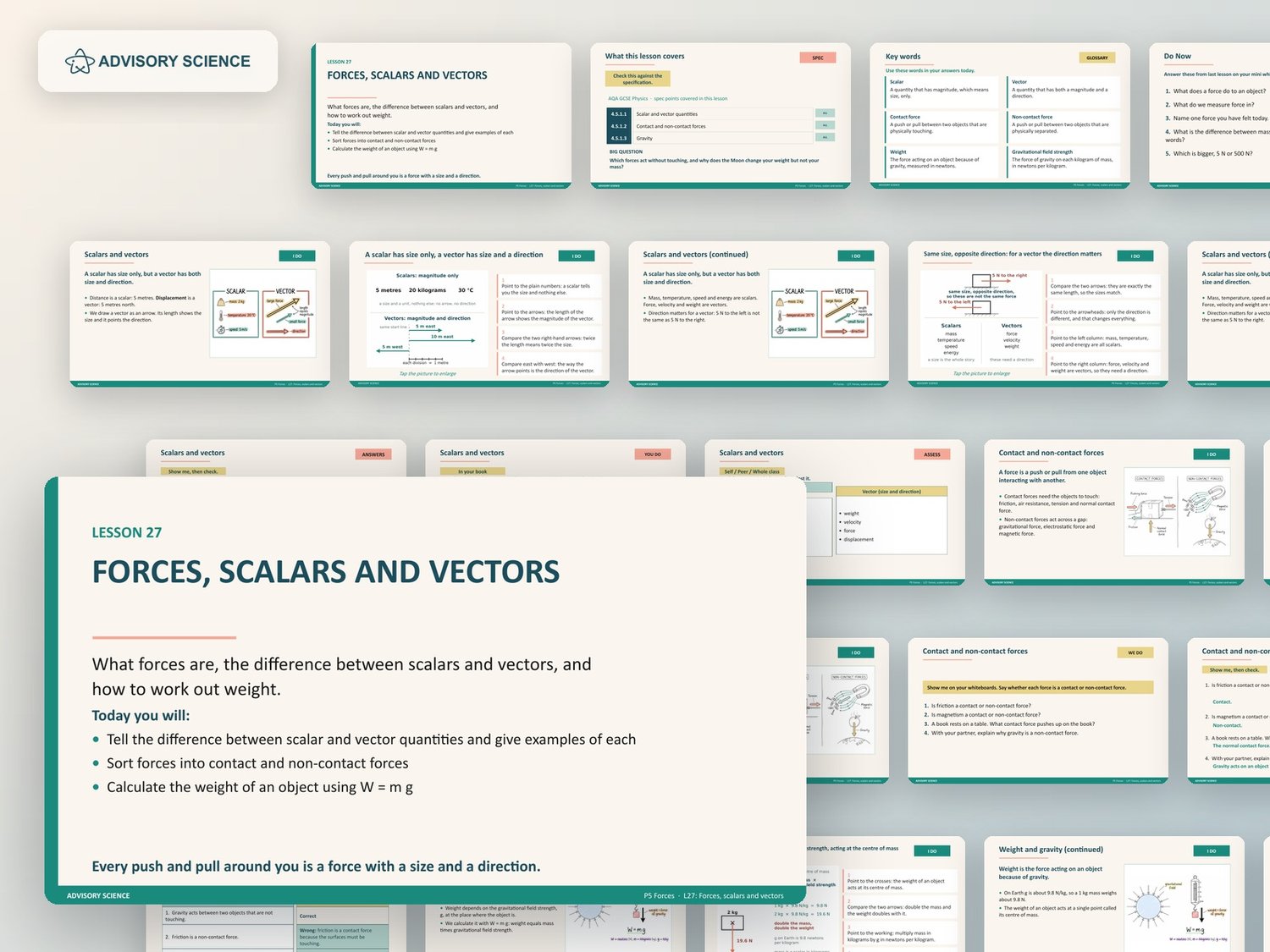
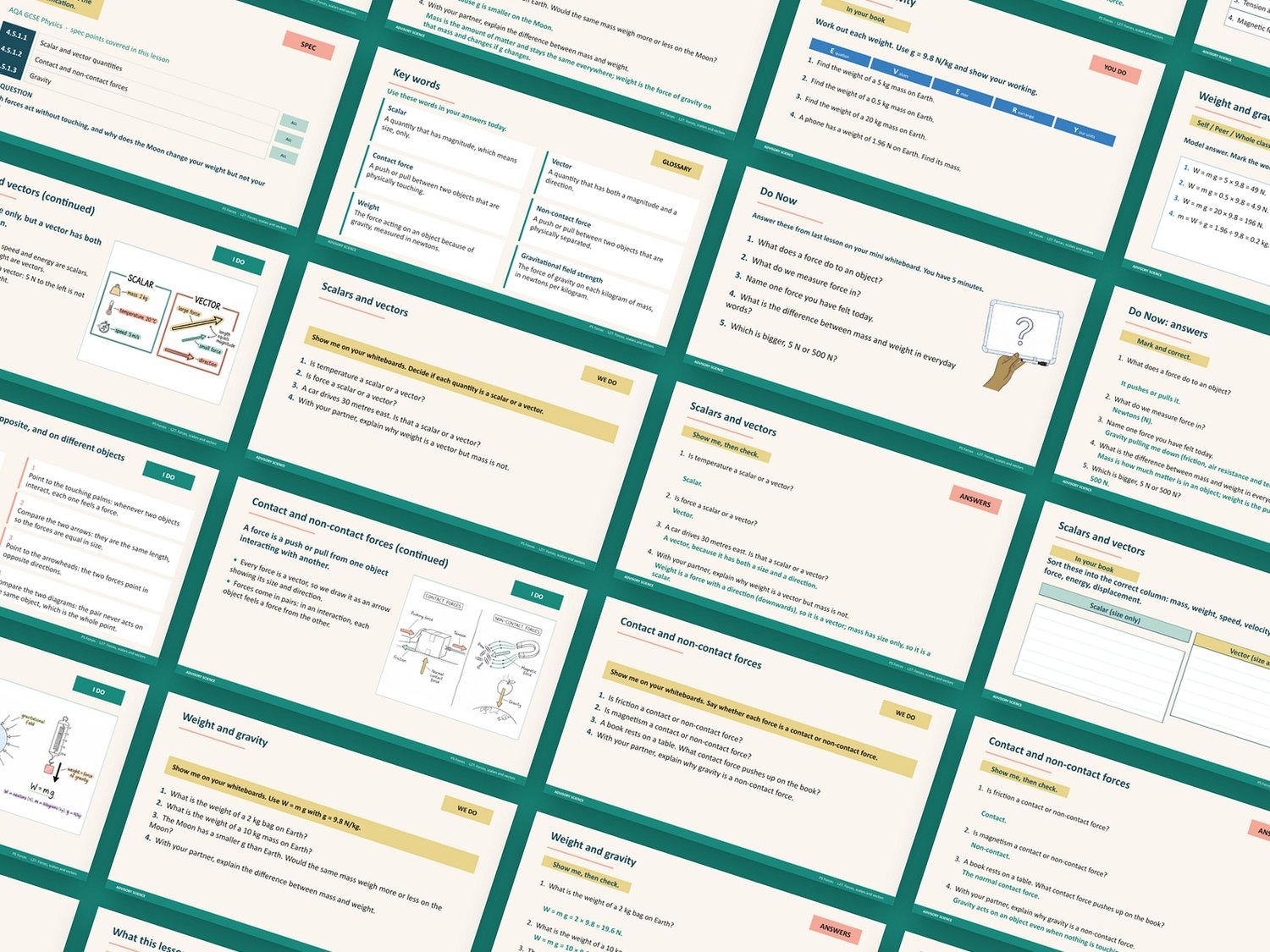
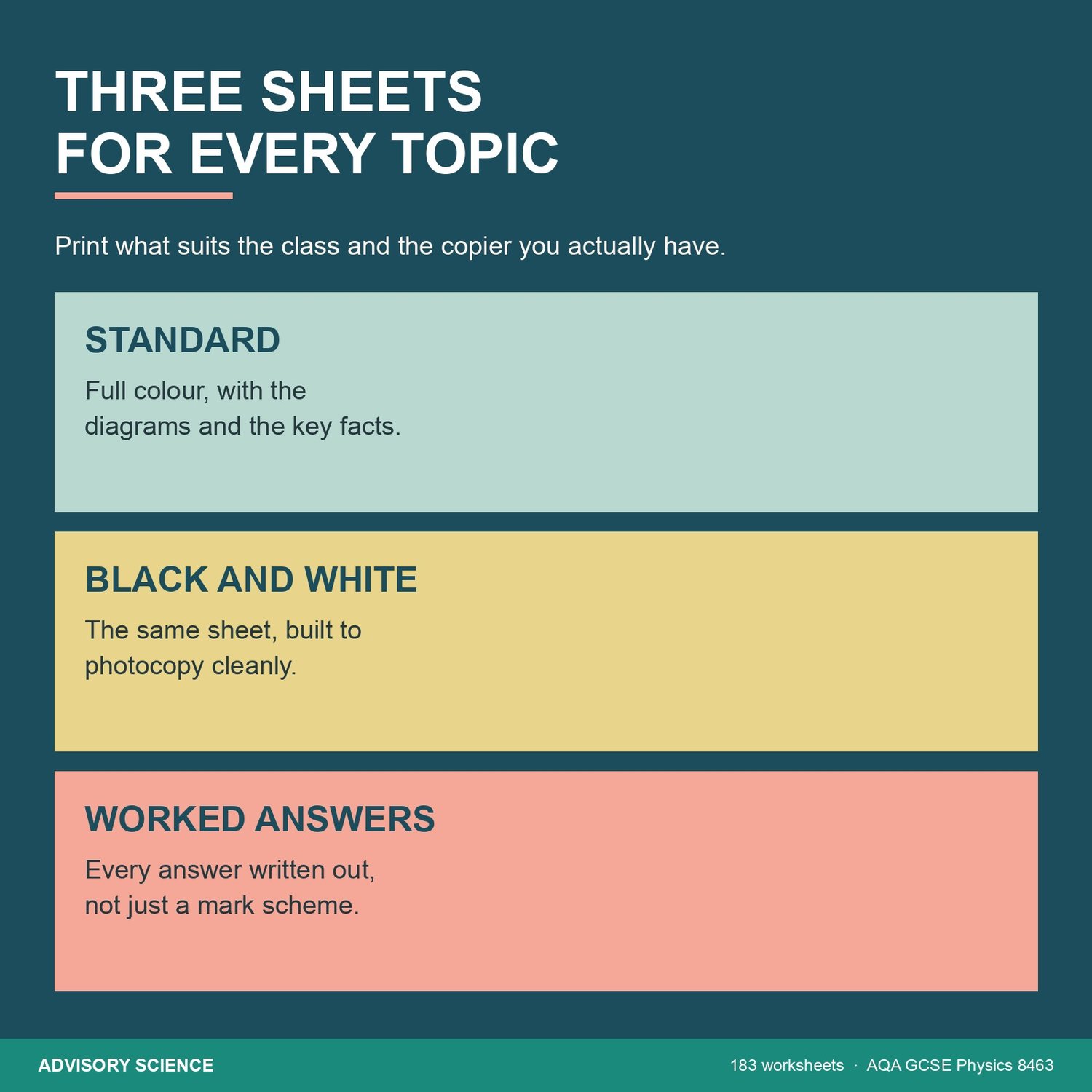
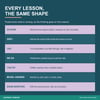
Every lesson follows the same order, so teachers and pupils always know what comes next. It opens with a Big Question and a Key words slide, then a Do Now that retrieves the lesson before. The teaching cycle runs I do, we do, you do for each idea: the explanation you talk through, whiteboard questioning and partner talk, then written practice pupils complete alone. A model answer follows every task. Every lesson ends with an AQA-style exam question, its mark scheme and an exit ticket.
Assessment for learning in every lesson
Mini whiteboard questions show you who has understood during the lesson. Pupils mark their own work and each other's against model answers. The exam question gives regular exam practice, and the exit ticket tells you where to start next lesson.
Clear, consistent slides
Every slide uses text of at least 20pt, so pupils can read it from the back of the room. Each idea has its own picture page, and a click in slide show opens the picture full screen.
Required practicals
Each practical covers the method, the variables, the results table, the graph work and the analysis. Pupils measure specific heat capacity, find the density of solids and liquids, obtain I-V characteristics and investigate force and acceleration.
Easy to adapt and to share across a department
The curriculum map and the medium-term plans set out the teaching order, with each required practical straight after the lesson that teaches it. Every slide uses the 8463 specification codes, so teachers can check any lesson against the scheme of work in seconds. The lessons are PowerPoint files and the topic tests are Word files, so you can change the examples, the Do Now slides and the pace to suit your classes.
Who it is for
Heads of Physics building a two or three-year separate science route. Non-specialists teaching Physics outside their subject. Trainees and early career teachers. Tutors and home educators working through the specification with one pupil.
Download the free sample before you buy.
Written by Mrs Hayles, an award-winning science educator, former deputy headteacher and science curriculum author.
Please note
This course covers AQA GCSE Physics (8463). Combined Science: Trilogy (8464), Biology 8461 and Chemistry 8462 have their own courses.
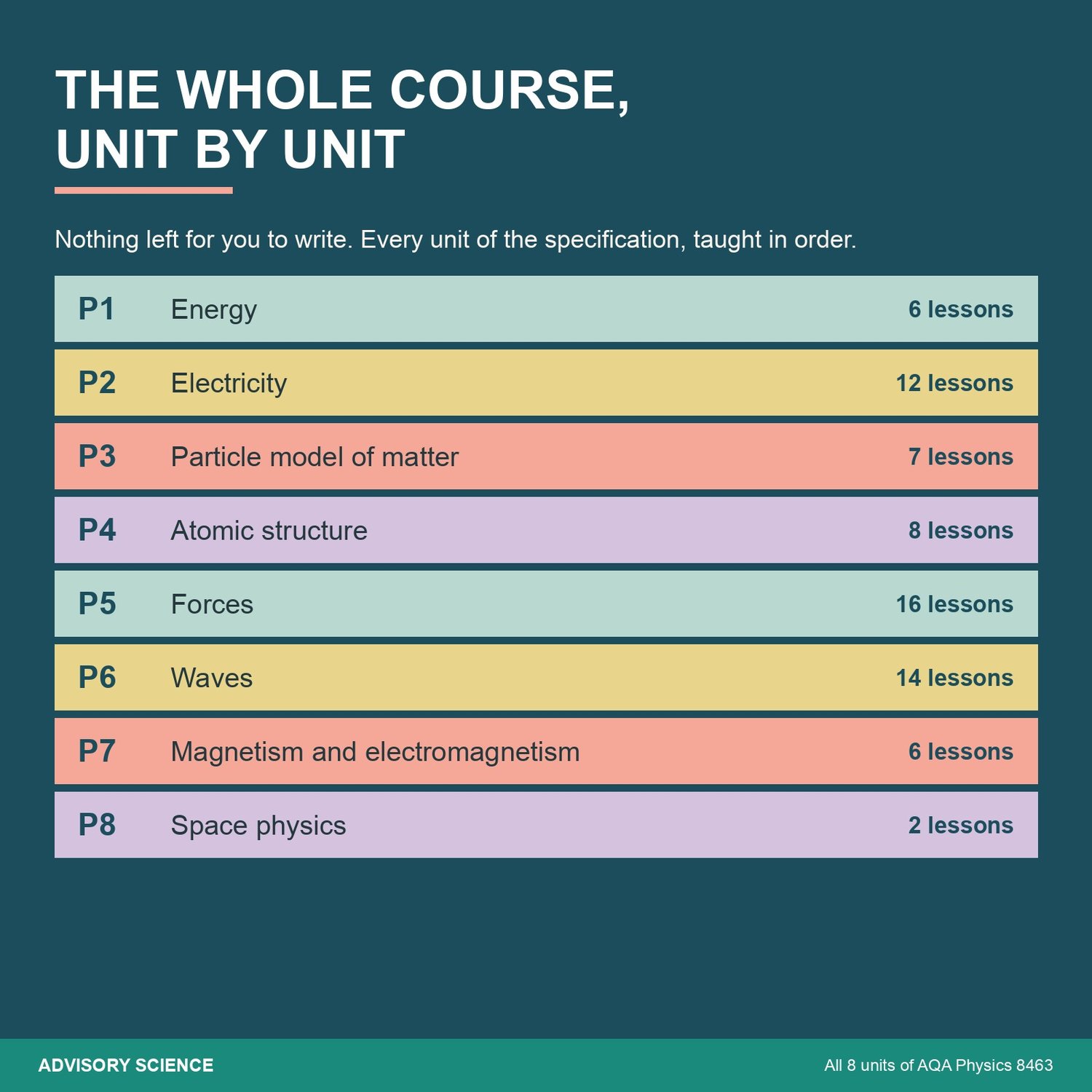
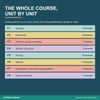
Every lesson in the course, in teaching order
All 71 lessons are listed below so you can check the course against your own scheme of work before you buy.
P1 Energy
- Energy stores and calculating energy changes
- Specific heat capacity and power
- Required practical: Specific Heat Capacity
- Conservation, dissipation and efficiency
- Required practical: Thermal Insulation
- National and global energy resources
P2 Electricity
- Circuits, charge and current
- Required practical: Resistance of a Wire
- Resistors: ohmic and non-ohmic
- Required practical: I-V Characteristics
- Thermistors and LDRs
- Mains electricity: ac, dc and the three wires
- Electrical power
- Energy transfers in everyday appliances
- The National Grid
- Static charge and the forces between charged objects
- Electric fields around charged objects
- Series and parallel circuits
P3 Particle model of matter
- Density and changes of state
- Required practical: Density
- Internal energy of a system
- Specific heat capacity and latent heat
- Particle motion in gases
- Pressure in gases
- Doing work on a gas
P4 Atomic structure
- The structure of an atom
- Atomic number, mass number and isotopes
- The development of the model of the atom
- Radioactive decay and nuclear radiation
- Nuclear equations and half-life
- Radioactive contamination and irradiation
- Background radiation, half-lives and medical uses
- Nuclear fission and fusion
P5 Forces
- Forces, scalars and vectors
- Resultant forces
- Pressure in fluids
- Pressure in a liquid, floating and sinking
- Distance and displacement
- Speed and velocity
- Distance-time graphs
- Acceleration and velocity-time graphs
- Newton's laws and braking
- Required practical: Acceleration and Force
- Newton's Third Law
- Momentum and collisions
- Work done and energy transfer
- Forces and elasticity
- Required practical: Force and Extension
- Moments, levers and gears
P6 Waves
- Transverse and longitudinal waves
- Amplitude, wavelength, frequency and the wave equation
- Required practical: Waves
- Reflection, transmission, absorption and how we hear sound
- Required practical: Light
- Ultrasound and seismic waves
- The electromagnetic spectrum (Higher tier)
- Generating electromagnetic waves and their dangers
- Uses of electromagnetic waves
- Lenses and magnification
- Colour, reflection and filters
- Infrared radiation and perfect black bodies
- Required practical: Infrared Radiation
- Black body radiation and the temperature of the Earth
P7 Magnetism and electromagnetism
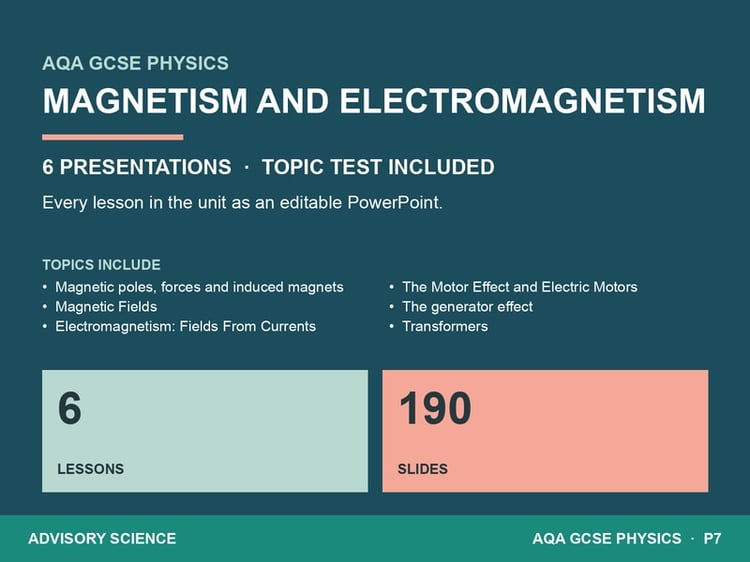
- Magnetic poles, forces and induced magnets
- Magnetic Fields
- Electromagnetism: Fields From Currents
- The Motor Effect and Electric Motors
- The generator effect
- Transformers
P8 Space physics
- Our solar system and the life cycle of a star
- Orbits, red-shift and the Big Bang
Licence
One purchase covers one teacher. You can use these lessons with your own classes for as long as you teach, edit them to suit your pupils, print them and share them with the children you teach and their parents.
If your whole department wants to use them, buy one copy per teacher or email info@advisoryscience.com and I will arrange a department price.
Please do not upload the files to a public website, share them outside your own school, or resell them.