

With just four teaching weeks until GCSE science exams begin, both students and teachers are asking the same question: what should we focus on now? The answer is not to try and cover everything again. Instead, use a structured revision plan that pri...
Read More


Six-mark questions are where GCSE science students lose the most marks in a single question. Across AQA, Edexcel and OCR papers, these extended response questions appear in every exam — and most students approach them the wrong way. They write too m...
Read More

With GCSE science exams only weeks away, having a clear revision checklist makes the difference between productive study sessions and wasted time. This guide outlines the key areas that examiners test most heavily across AQA, Edexcel and OCR biology...
Read More
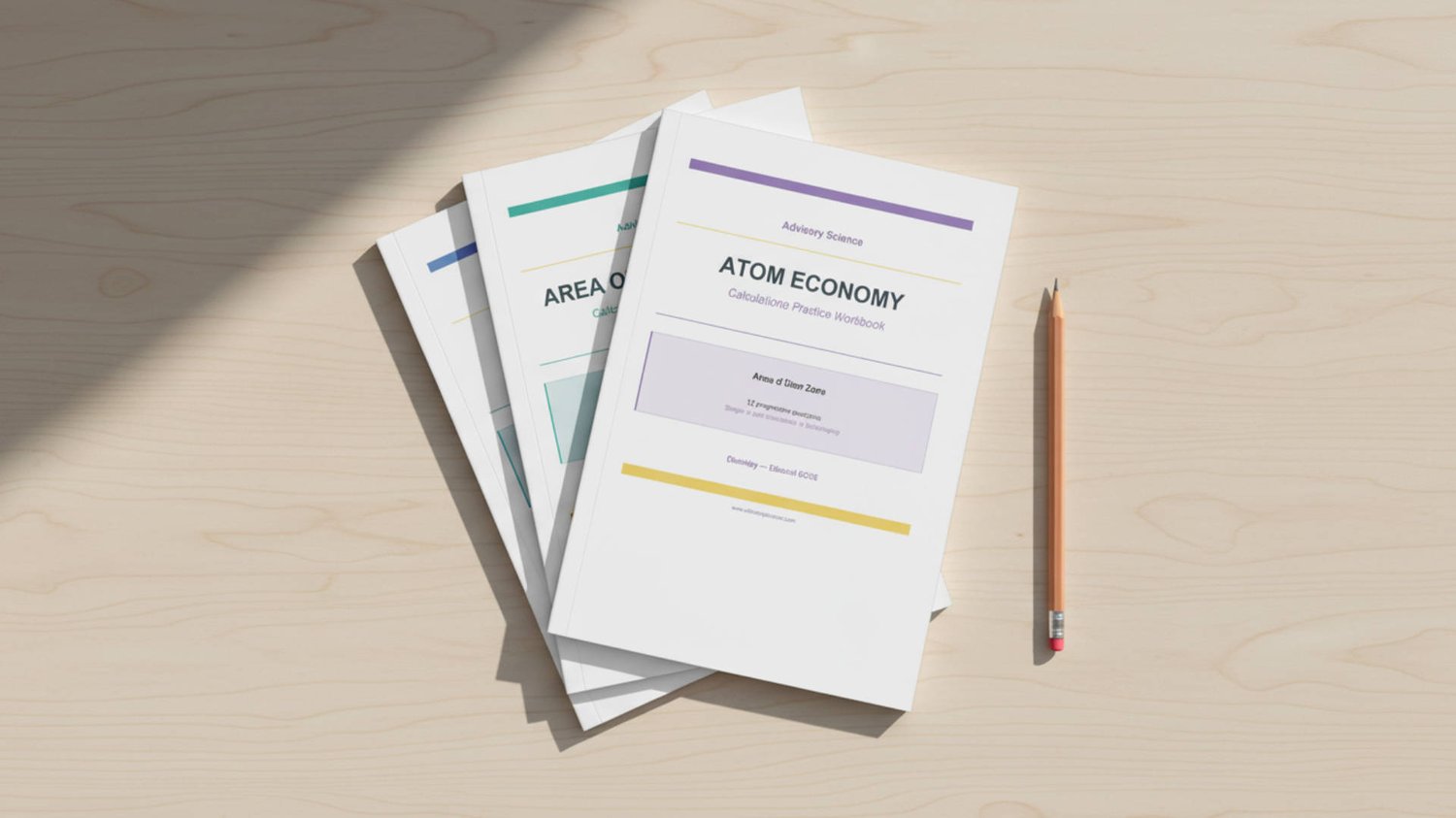
Struggling with GCSE science calculations? Learn the EVERY method — a simple 5-step framework that works for every equation in biology, chemistry and physics. If your child freezes when they see a calculation question in their GCSE science exam, the...
Read More

From photosynthesis to genetics, GCSE Biology is full of tricky misconceptions that cost students marks. Here's how to tackle the most common ones before exam day. Many students arrive at GCSE Biology with ideas that are almost right — but not ...
Read More

GCSE Chemistry is packed with concepts students get almost right — but not quite. Here are the most common Chemistry misconceptions and how to address them before exams. Chemistry is a subject where small misunderstandings compound quickly. A shaky ...
Read More

Physics is full of ideas that feel intuitive but are scientifically wrong. Here are the most common GCSE Physics misconceptions — and what to do about them. Physics is arguably the subject where intuition is most likely to lead students astray. The ...
Read More

GCSE Science misconceptions are harder to fix than gaps in knowledge — because students don't know they have them. Here's what they are, why they matter, and how to address them. Every science teacher knows the feeling. You've taught a topic clearly...
Read More
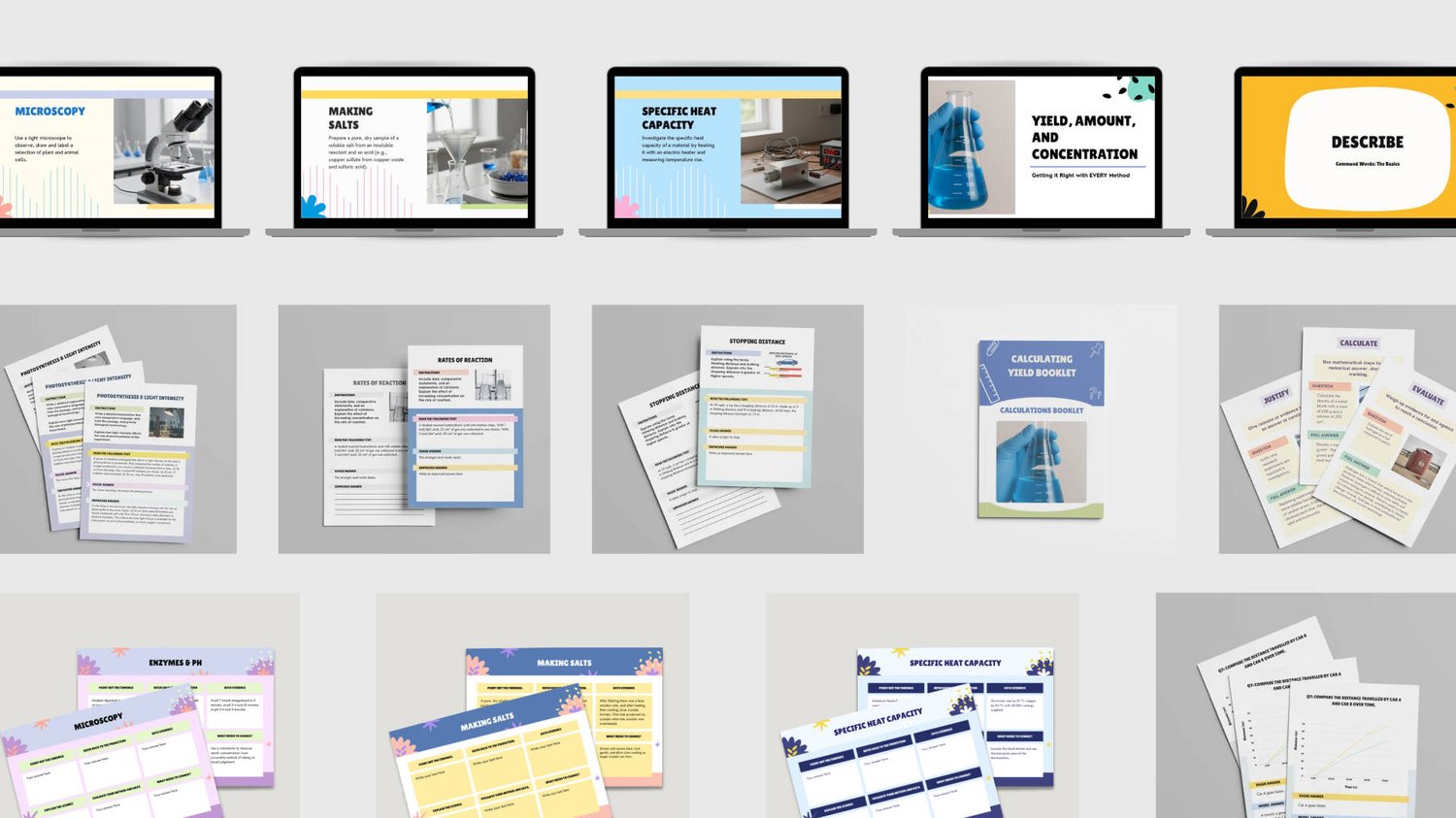
Preparing for GCSE Science exams requires more than knowing the content. Examiner reports consistently show that students lose marks because they misinterpret questions, struggle to structure extended responses, and fail to use data and evidence eff...
Read More
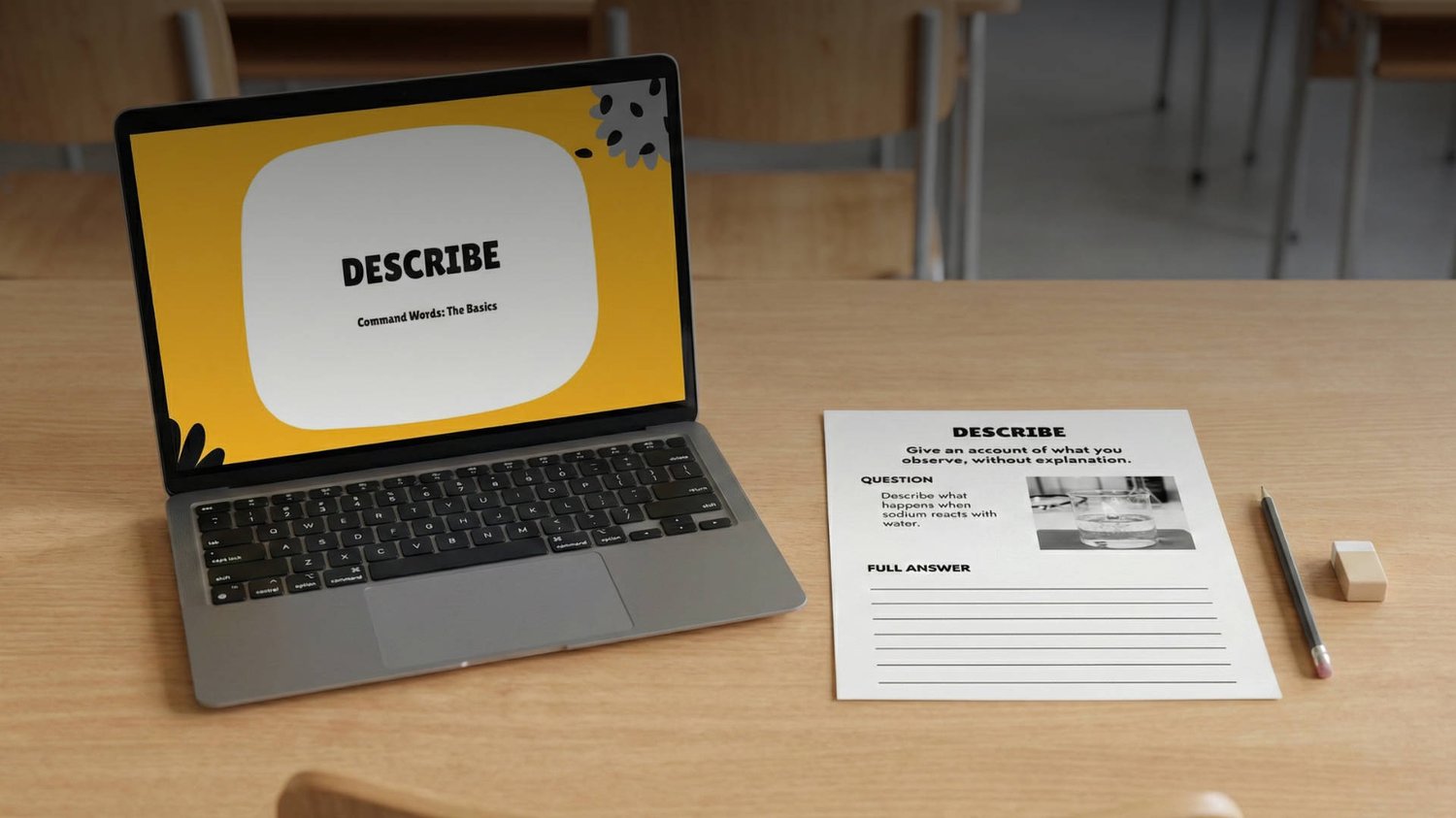
One of the most common reasons students lose marks in GCSE Science is misunderstanding command words. When mock papers come back, many are just 1–2 marks off their targets again and again—not because they don’t know the science, but because they don...
Read More
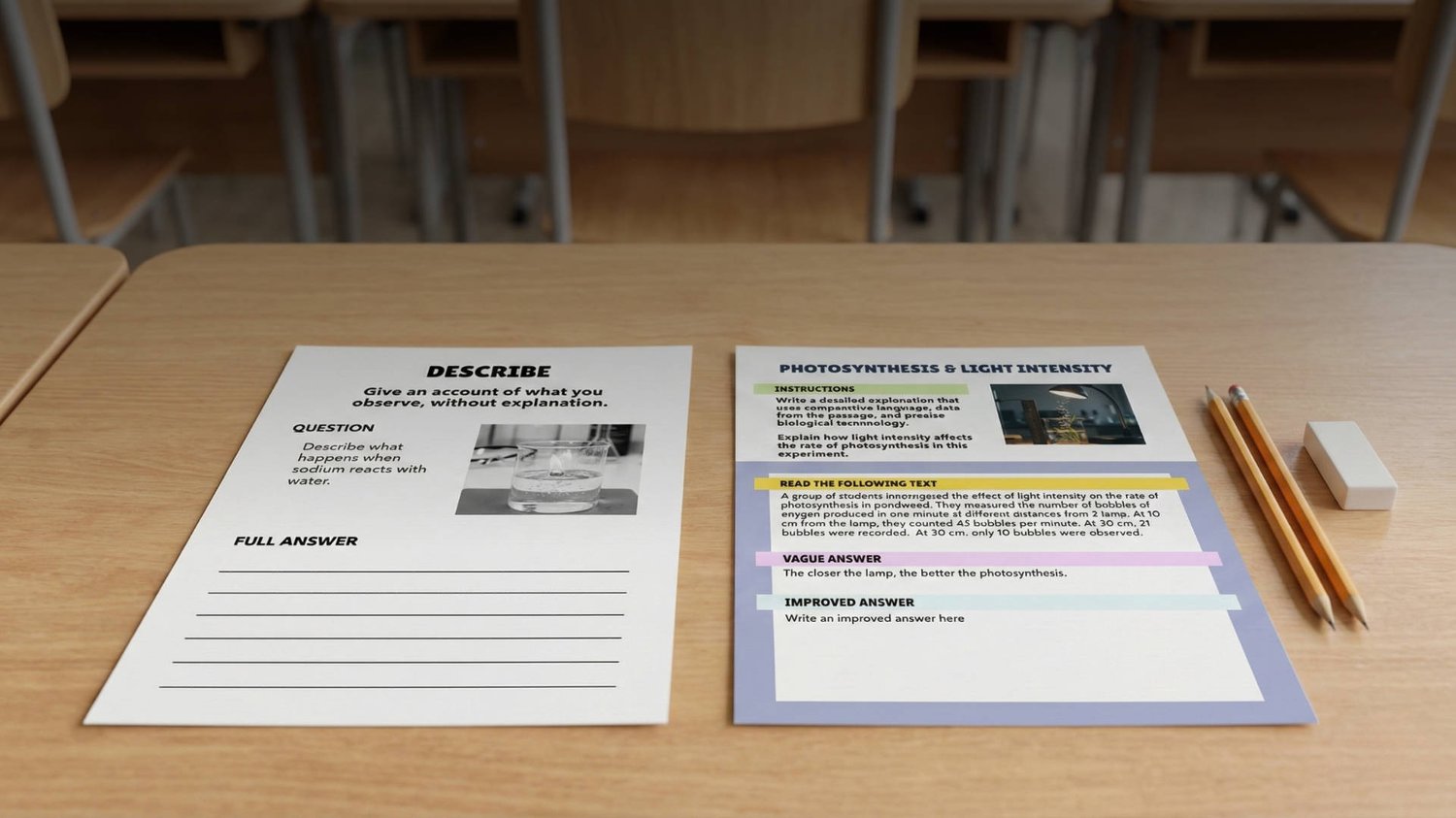
Why Biology Answers So Often Fall Short In GCSE Biology, many students understand the science but still fail to access higher marks. Examiner reports repeatedly highlight the same issues: answers that are vague, imprecise, or descriptive where expla...
Read More

The Hidden Problem in GCSE Chemistry Answers GCSE Chemistry answers often fail not because students are wrong, but because they are imprecise. Examiner reports consistently point to issues with:vague languagemisuse of chemical termsfailure to link o...
Read More

Why Physics Answers Are Harder to Improve Physics answers often combine:conceptual understandingmathematical reasoninginterpretation of graphs and data Students may be confident with calculations but struggle to explain their meaning, or they may de...
Read More

Across GCSE Science, graph skills are one of the most consistent sources of lost marks. This is not limited to Physics, and it is not confined to drawing graphs neatly. Examiner reports repeatedly highlight problems with interpreting data, describin...
Read More

Percentage yield is one of the most reliable sources of lost marks in GCSE Chemistry. It appears regularly in exams, often in unfamiliar contexts, and is frequently used to separate grades, particularly at Higher tier. What makes yield challenging i...
Read More