

A clear picture of progression lets a subject leader explain, in a few minutes, how science builds from Year 1 to Year 6. It also shows teachers what their class already knows and where the learning is heading. Working scientifically is one of the e...
Read More
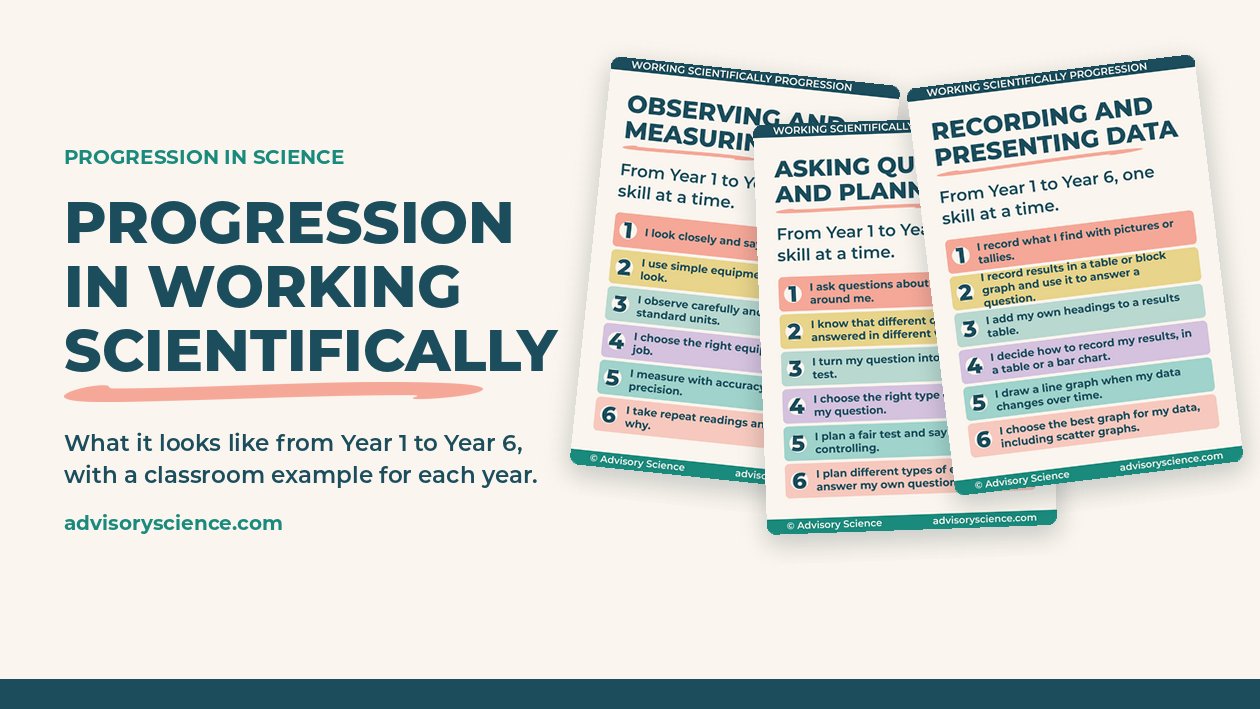
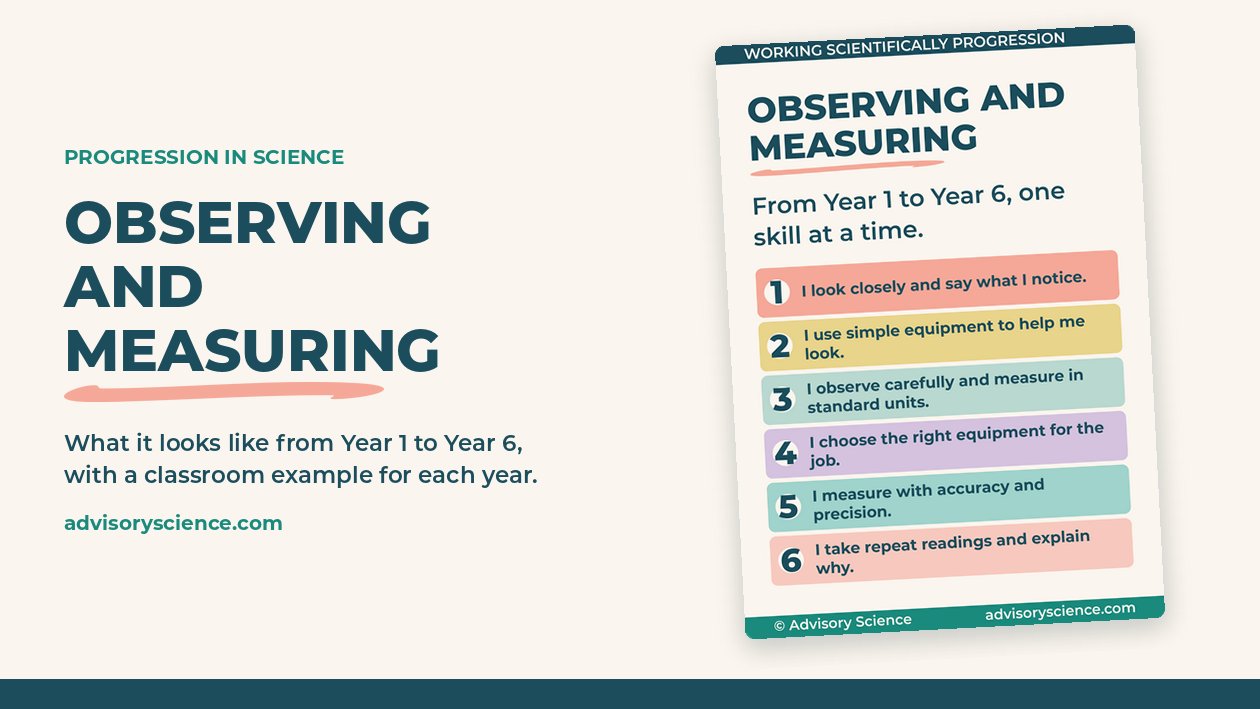
Observation is one of the first scientific skills children develop. Young children are naturally observant, but scientific observation requires them to become increasingly deliberate about what they notice, how they record it and what they do with t...
Read More
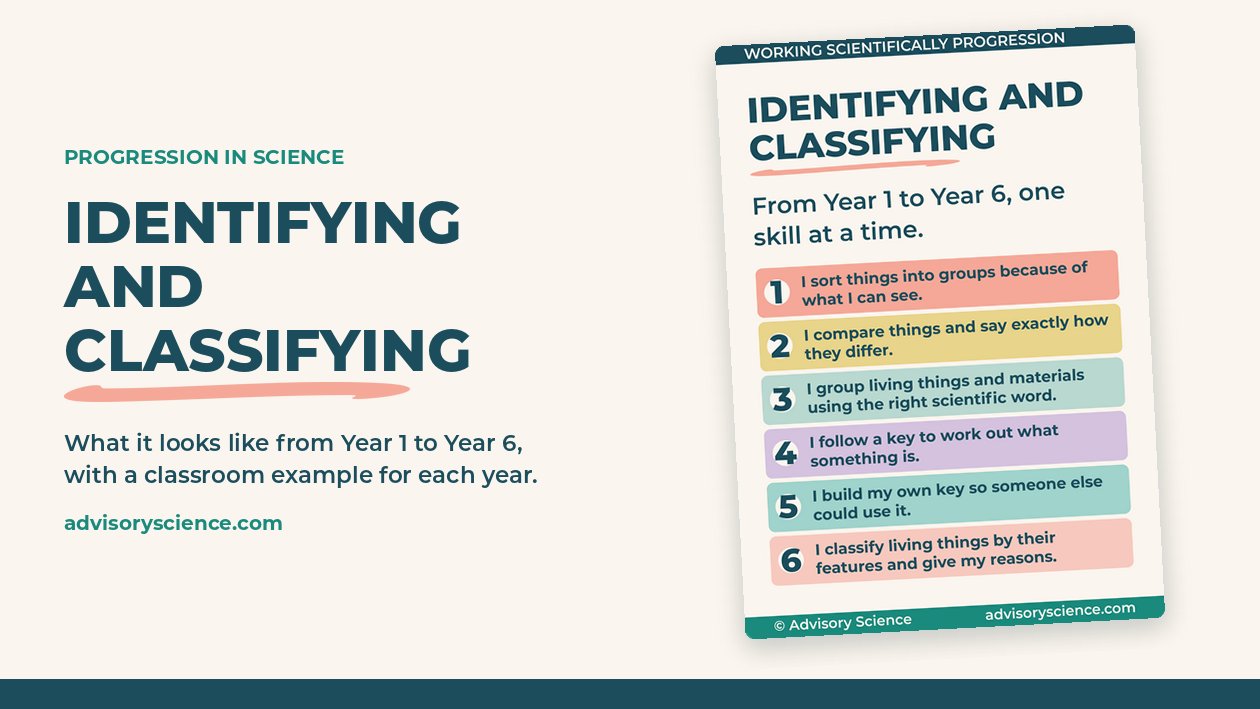
Identifying and classifying is both a working scientifically skill and one of the five types of scientific enquiry. The enquiry article looks at when classification is the right way to answer a question. This article looks at the skill itself: what ...
Read More
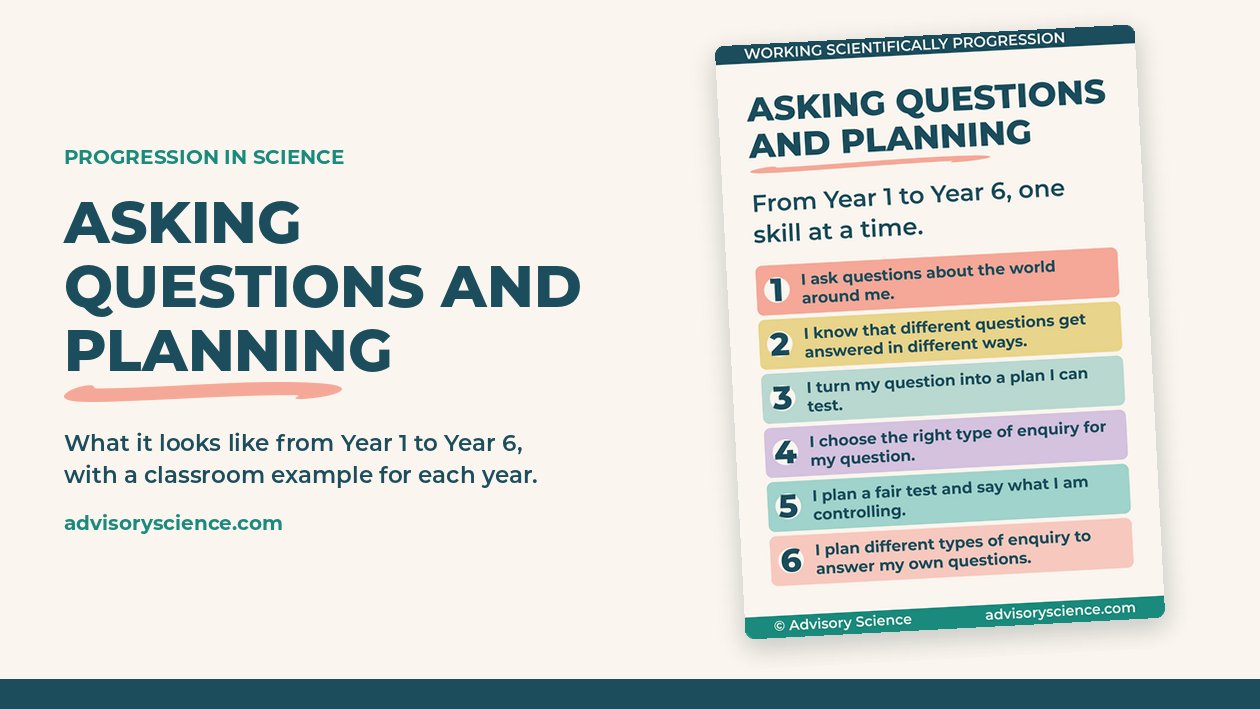
Scientific enquiry begins with a question, but asking a scientific question is a skill that develops considerably during primary school. Planning is where that question turns into something a child can actually investigate, and it is one of the clea...
Read More
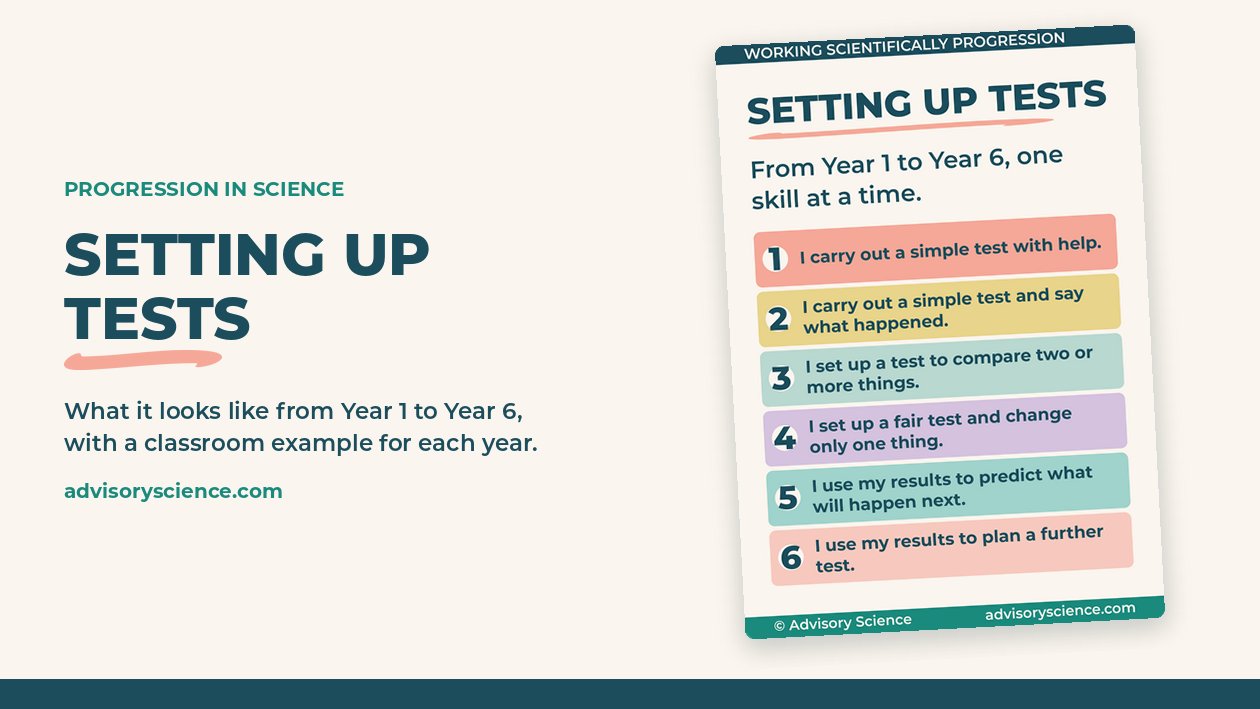
There is an important difference between knowing how to carry out an investigation and being able to make sensible decisions while doing it. Setting up tests is where children learn to do both. What the National Curriculum says In Years 1 and 2, chi...
Read More
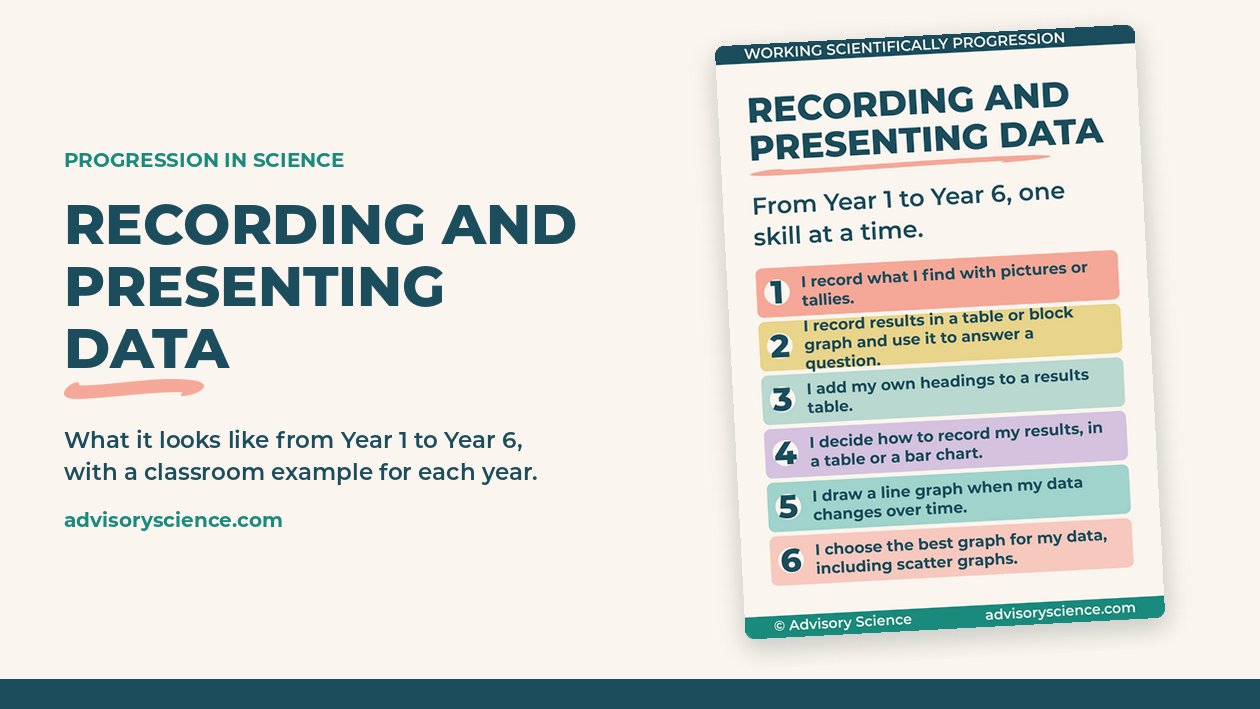
Children can collect a great deal of scientific information without necessarily knowing how to organise it. Recording data is therefore an important part of learning how scientists turn observations and measurements into usable evidence. The progres...
Read More
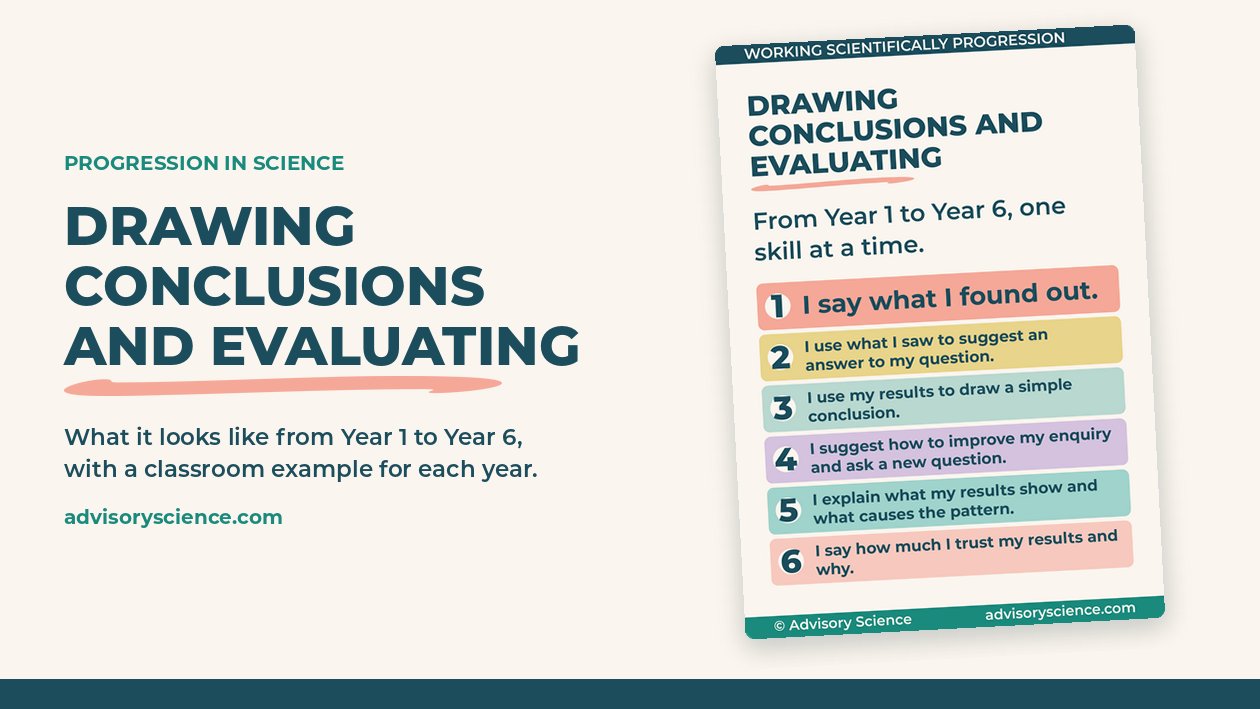
A conclusion connects the evidence to the question. "The answer was 25 cm" is a result. A conclusion says what that result tells us, and evaluating asks how far we can trust it. What the National Curriculum says In Years 1 and 2, children should be ...
Read More